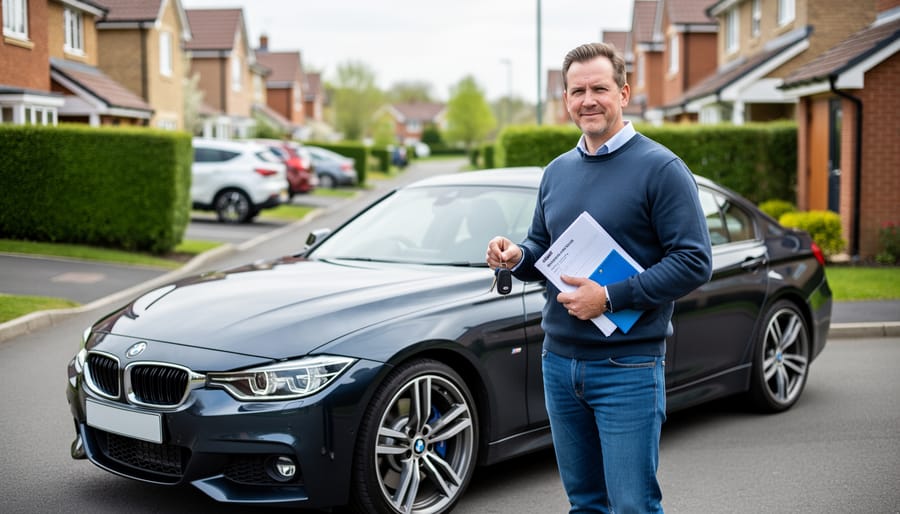
Sell through direct buying services like Property Saviourwhich typically complete vehicle purchases within 7-10 days compared to traditional private sales that average 4-6 weeks in the UK market. Price competitively by checking Autotrader and Cazoo valuations, then reduce your asking price by 5-8% below market average to attract serious buyers immediately. Professional photographs make a measurable difference, with well-lit, multi-angle images generating 3x more inquiries than smartphone snapshots taken in poor lighting.
Timing matters significantly in British automotive sales. List your vehicle between Tuesday and Thursday when online traffic peaks, avoiding December and January when buyer activity drops by nearly 40%. The DVLA’s online logbook transfer system expedites transactions considerably, allowing same-day ownership changes that once required postal delays.
For Canadian expatriates managing UK assets remotely or automotive professionals comparing international markets, British car sales move faster than Canadian equivalents due to higher population density and streamlined digital infrastructure. Services like We Buy Any Car and motorway.co.uk dominate the quick-sale space, though they typically offer 10-15% below private sale values.
Documentation readiness accelerates every transaction. Have your V5C logbook, service history, MOT certificates, and any outstanding finance settlement figures prepared before listing. Buyers completing purchases within 48 hours invariably receive these documents upfront, eliminating the negotiation delays that plague unprepared sellers.
The fastest sales in 2026 combine realistic pricing, immediate availability for viewings, and flexibility on payment methods including bank transfers and escrow services.
Why UK Car Sales Move Differently Than Canadian Transactions
The UK automotive market operates on fundamentally different mechanics than Canada’s, and understanding these distinctions separates a week-long sale from a months-long listing.
Market density shapes everything. The UK packs 68 million people into an area smaller than Ontario, creating concentrated buyer pools and shorter geographic reach. A car in Manchester can realistically attract Birmingham buyers within an hour’s drive, whereas Canadian sellers often face provincial barriers and multi-hour journeys between population centres. This compression accelerates transactions but also intensifies competition among sellers.
British buyers approach purchases with different expectations around vehicle history and verification. The DVLA’s centralized registration system means comprehensive vehicle histories are standard, not premium add-ons. Buyers expect instant access to MOT records, mileage validation, and previous keeper counts through free government databases. Canadian reliance on paid services like CarProof creates a different information asymmetry that UK buyers simply won’t tolerate.
The regulatory frameworks diverge sharply on seller liability. UK consumer protection laws hold private sellers to higher standards than Canadian provincial rules, particularly around disclosure. Misrepresenting a vehicle’s condition or history carries stiffer penalties, which paradoxically speeds legitimate sales because buyers trust the system’s enforcement.
| Factor | UK Market | Canadian Market |
|---|---|---|
| Average private sale time | 14-21 days | 30-45 days |
| Documentation standard | V5C, full MOT history, service book expected | Ownership papers, optional CarProof |
| Payment method preference | Bank transfer (87% of transactions) | Cash, certified cheque (varied) |
| Buyer statutory protections | Consumer Rights Act 2015 applies broadly | Provincial regulations, as-is sales common |
Payment culture represents another friction point. British buyers overwhelmingly prefer electronic bank transfers with instant verification, whereas Canadian private sales still involve substantial cash or certified cheque transactions that require additional validation steps. The UK’s Faster Payments Service has normalized same-day settlement in ways Canadian e-transfers haven’t fully replicated for high-value automotive purchases.
Currency stability matters more than Canadians initially realize. The pound’s relative strength against most currencies, combined with the UK’s role as a right-hand-drive export hub to Ireland, Malta, and Cyprus, creates secondary markets that don’t exist for Canadian-spec vehicles. This export potential can accelerate sales for desirable models even when domestic demand softens.
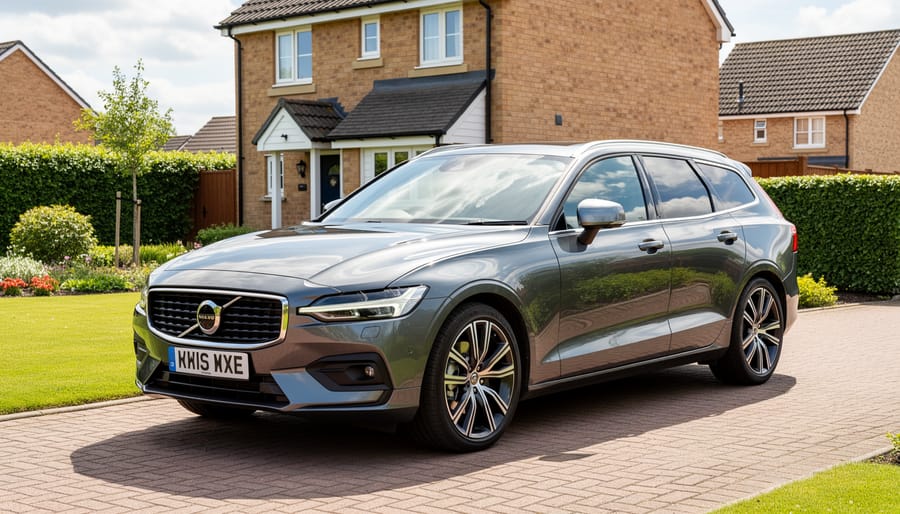
Preparing Your Vehicle for a Quick UK Sale
Documentation That UK Buyers Expect
UK buyers expect a documentary trail that differs markedly from Canadian proof-of-ownership norms. The V5C registration document, commonly called the log book, is non-negotiable. This pink slip proves you’re the registered keeper and contains vehicle details that buyers scrutinize before committing. Unlike Canada’s provincial ownership certificates, you’ll send the log book section to the DVLA after the sale, giving the buyer their portion immediately.
MOT certificates carry weight that Canadian safety certificates don’t quite match. While vehicle inspection requirements vary globally, UK buyers often reject cars with less than six months’ MOT remaining, viewing them as potential money pits. A fresh MOT test, costing £54.85 maximum, can accelerate your sale by weeks.
Service history separates serious sellers from chancers in British eyes. Stamped service books from franchised dealers command premium prices, whereas Canadian digital records or independent mechanic receipts raise suspicion. Collect every invoice, every receipt, every maintenance record you can find. British buyers want tangible proof your vehicle hasn’t been neglected.
Presentation matters beyond paperwork. High-quality listing photos, enhanced tastefully with AI photo editors that correct lighting rather than mislead, significantly impact inquiry rates. Canadians accustomed to CarProof reports will find UK buyers equally data-hungry, just pursuing different documentation pathways that reflect Britain’s registration and inspection infrastructure.

Pricing Strategy for the UK Market
Pricing a vehicle correctly is the single most important factor in achieving a quick UK sale. Unlike Canada, where Black Book and Canadian Black Book dominate, the UK market relies on three primary valuation sources: Autotrader, Parkers, and Glass’s Guide. Each serves a distinct purpose in your pricing strategy.
Start with Parkers for a baseline valuation. Enter your vehicle’s registration number, mileage, and condition to receive an immediate estimate. Parkers typically provides three figures: private sale, part-exchange, and dealer retail. For a fast sale, target the lower end of the private sale range or slightly below it.
Cross-reference with Autotrader by searching for identical or similar vehicles currently listed. Filter by make, model, year, mileage bracket, and proximity to your location. This reveals actual asking prices, not theoretical values. If you’re five percent below the average listing price for comparable vehicles, you’ll generate immediate interest.
Glass’s Guide offers trade valuations used by dealers. While subscription-based, many dealerships will provide a Glass’s valuation if you’re considering a trade-in. This helps you understand the absolute floor price and evaluate whether private sale efforts are worthwhile.
For Canadians, currency conversion introduces timing risk. A vehicle worth £8,000 converts to roughly CAD 14,000 at mid-2026 exchange rates, but fluctuations of three to five percent within a week aren’t unusual. If you’re selling to repatriate funds, consider setting your price in GBP based on UK comparables rather than reverse-engineering from a desired CAD amount. Lock in your exchange rate through a forward contract once you’ve accepted an offer to eliminate conversion uncertainty during the transaction period.
Price aggressively from day one. UK buyers expect room for negotiation, but an overpriced vehicle sits unsold while depreciation continues.
Fast-Sale Platforms and Services in the UK
The UK’s vehicle sales landscape offers several routes for quick transactions, each with distinct speed and valuation characteristics that differ markedly from Canada’s more fragmented private-sale market.
Instant buyer services represent the fastest option. Platforms like webuyanycar.com and Motorway deliver same-day valuations and payment, often completing transactions within 24 hours. These services exemplify the digital transformation reshaping automotive retail. You enter registration details online, receive an instant quote, book an appointment at a local branch, and walk out with payment after a brief inspection. Motorway operates differently by auctioning your vehicle to its network of over 5,000 verified dealers, typically generating offers within 24 hours while potentially securing higher prices than single-buyer services.
Cazoo and similar online retailers purchase vehicles directly but have shifted their model significantly in 2026. While they still buy cars, their focus has moved toward facilitating peer-to-peer sales rather than inventory acquisition, meaning transaction speeds now vary from two days to a week depending on inspection scheduling and backend processes.
Traditional dealership trade-ins remain viable for those purchasing replacement vehicles. Speed matches instant buyers, often same-day completion, but trade-in valuations typically sit 15-20% below private sale values as dealers factor in reconditioning costs and profit margins.
- Instant buyers complete transactions in 24-48 hours with guaranteed payment and no advertising hassle.
- Motorway’s auction model can yield 10-15% more than single instant buyers while maintaining quick turnaround.
- Dealer trade-ins eliminate the gap between selling and buying, streamlining vehicle replacement.
- All professional services handle DVLA notifications and paperwork, reducing administrative burden.
- Instant buyers typically offer 10-25% below private sale values, with webuyanycar.com often at the lower end.
- Private sales through AutoTrader or Facebook Marketplace take 2-4 weeks but can secure 15-30% higher prices.
- Trade-in values heavily favor dealerships, particularly on desirable models they can retail quickly.
- Online platforms may reduce initial quotes after physical inspection, creating valuation uncertainty.
The choice hinges on your timeline and financial priorities. If you’re relocating to Canada within days, instant buyers provide certainty despite lower valuations. With a fortnight available, Motorway’s dealer network offers a middle ground. For maximum value with flexible timing, private sales through AutoTrader remain unmatched, though they demand active management of viewings, negotiations, and payment verification, responsibilities that become complicated when coordinating from overseas.
The Parallel Between Fast Car Sales and Fast House Sales in the UK
The UK’s cash house buying industry and its instant car purchasing counterpart operate on remarkably similar principles, offering valuable insights for anyone needing to liquidate assets quickly. Both sectors capitalize on immediacy, accepting lower valuations in exchange for certainty and speed.
Property buying companies typically offer 75-85% of market value for houses, while instant car buying services like webuyanycar.com often propose 70-90% of private sale prices. This discount structure exists for identical reasons: the purchaser absorbs risk, handles all administrative burden, and guarantees completion regardless of discovered issues. In both markets, sellers trade potential maximum value for eliminated uncertainty and compressed timelines.
The urgency drivers mirror each other closely. Homeowners facing repossession, divorce settlements, or overseas relocations use cash buyers for the same reasons vehicle owners facing emigration, financial pressure, or estate administration turn to instant purchase services. Time constraints override profit optimization. Canadian professionals managing UK assets remotely particularly benefit from this parallel understanding, as both sectors accommodate absentee sellers through streamlined processes.
Legal simplification follows identical patterns. Fast house sale companies employ in-house conveyancers to accelerate completion, just as instant car buyers handle DVLA notifications and ownership transfers directly. Both industries have developed standardized documentation that bypasses traditional negotiation phases, replacing them with take-it-or-leave-it offers based on rapid assessments.
The risk profile differs slightly: properties undergo surveys revealing potential structural issues, while vehicles face mechanical inspections. However, the principle remains constant. Quick buyers in both sectors price in worst-case scenarios, protecting themselves against post-purchase discoveries while offering sellers immediate certainty.
Understanding this parallel helps set realistic expectations. Whether selling a Vauxhall or a Victorian terrace through expedited channels, you’re accessing a distinct market segment where speed commands a premium that comes directly from your final proceeds.

Legal and Financial Considerations for Canadian Sellers
Selling a UK vehicle from Canada introduces specific legal and financial complexities that demand attention before you list. The cross-border nature of the transaction creates obligations in both jurisdictions, and overlooking them can trigger penalties or payment delays that undermine the speed you’re seeking.
If you’re handling the sale remotely, you’ll need someone physically in the UK to manage inspections, test drives, and the handover. A power of attorney (POA) grants a trusted individual legal authority to sign documents and transfer ownership on your behalf. British solicitors can draft POAs for around £100, £200, but ensure the document explicitly covers vehicle sales and DVLA interactions. Without this authorization, buyers won’t accept the transaction as legitimate, and you cannot legally complete the transfer from overseas.
Currency exchange timing significantly impacts your actual proceeds. The GBP/CAD rate fluctuates daily, and a £10,000 sale can swing by several hundred Canadian dollars depending on when you convert. Lock in a favourable rate through forward contracts with services like Wise or OFX rather than accepting whatever your bank offers on settlement day. Bank wire transfers typically charge 2-3% in hidden exchange markups plus flat fees, eroding the speed premium you’ve already sacrificed by choosing a quick sale.
Tax implications hinge on your residency status and how long you owned the vehicle. Canadian residents selling UK assets may face capital gains tax in Canada if the vehicle appreciated significantly (rare for standard cars, more relevant for collectibles). The UK generally doesn’t tax private vehicle sales unless you’re trading as a business, but you must report the transaction to HMRC if you’re a non-resident disposing of UK assets. Consult a cross-border accountant before proceeding with high-value or classic vehicles.
Several legal checkpoints require careful attention:
- Notify the DVLA within days of sale completion to avoid liability for traffic violations or parking fines incurred by the new owner
- Understand capital gains implications in both jurisdictions, particularly for collectible or appreciated vehicles
- Accept only bank transfers or verified bank drafts; never cash, personal cheques, or payment apps for cross-border sales
- Verify buyer identity through video calls and government-issued ID to prevent title fraud and payment scams
Payment scams targeting remote sellers have increased in 2026. Fraudsters send fake bank transfer confirmations or bounce cheques after taking possession. Insist your UK representative confirms funds have cleared (not just been deposited) in the designated account before handing over keys and documents. For sales above £5,000, use an escrow service that releases funds only after DVLA confirms the ownership transfer, adding 3-5 days but eliminating fraud risk entirely.
Common Pitfalls That Slow Down UK Car Sales
The fastest way to kill a quick UK car sale is pricing 15% above market rate while telling yourself it’s “firm.” British buyers do their homework, Autotrader and Auto Trader searches mean they’ve seen a dozen comparable vehicles before contacting you, and they know what a 2019 Ford Focus with 62,000 miles should cost. Unlike Canadian markets where geography can create pricing variation, the UK’s compact size means buyers can travel for the right deal, so overpricing simply removes you from consideration.
Incomplete documentation ranks second. UK buyers expect a complete V5C logbook, full MOT history (accessible via the DVLA database), and detailed service records. Missing a single service stamp raises immediate red flags about potential odometer fraud or neglect. Canadians accustomed to basic CarFax reports often underestimate how documentation-focused British buyers are, it’s cultural rather than optional.
Poor presentation matters more than you’d think. A dirty interior, exterior grime, or low-quality smartphone photos signal either desperation or indifference. The UK market values tidy presentation; even budget buyers expect clean carpets and streak-free windows. Professional photography costs £50-100 but can shave days off your sale timeline by attracting serious inquiries through online platforms.
Misreading buyer communication norms creates friction. British buyers typically arrange viewings through text rather than phone calls, expect prompt responses (within two hours during business days), and interpret delayed replies as lost interest. They’re also less likely to negotiate aggressively in person compared to Canadian haggling culture, but they will walk away from perceived dishonesty. Answer questions directly, disclose known faults upfront, and confirm appointment times clearly, vagueness reads as unreliability and extends your selling window unnecessarily.
Timeline Expectations: How Fast Is ‘Fast’ in 2026?
In 2026, “fast” spans a spectrum that would surprise many Canadians accustomed to private sales dragging across months. The UK’s digital infrastructure and established instant-buyer networks compress timelines dramatically.
| Sale Method | Typical Timeline | Payment Speed |
|---|---|---|
| Instant Buyers (webuyanycar, Motorway) | Same day | Immediate to 24 hours |
| Online Platforms (Cazoo, Cinch) | 3-7 days | 48-72 hours post-collection |
| Dealer Trade-In | 1-3 days | Offset against purchase |
| Private Sale (Autotrader, Gumtree) | 1-4 weeks | Same day as handover |
Same-day services genuinely collect and pay within hours, though you’ll accept 10-15% below market value for that convenience. Online platforms offering slightly better prices need time for inspections and logistics. Much like our snow and ice cars coverage emphasizes preparation reducing winter driving delays, having documentation ready shaves days off any method.
Private sales remain the wildcard. Popular models in demand-heavy regions like Southeast England move faster than specialized vehicles. A well-priced family SUV might sell in five days, while niche sports cars linger three weeks. Current petrol inventory moves quicker than diesel as 2026 buyers eye the 2030 combustion ban, a shift worth monitoring in any automotive news roundup.
For Canadians selling remotely, instant buyers eliminate the showing hassle entirely. If maximizing returns matters more than speed, budget three weeks minimum for private routes.
Selling a car quickly in the UK while managing assets from Canada requires balancing urgency with value retention. Throughout this guide, we’ve examined how UK market mechanics differ from what you’re accustomed to back home, from documentation standards to buyer expectations and pricing strategies.
The parallels between fast car sales and the UK’s established quick house sale industry reveal important lessons about valuation discounts and realistic timelines. Whether you’re relocating permanently, liquidating assets remotely, or simply navigating an unfamiliar market, understanding these dynamics protects you from rushed decisions that sacrifice thousands of pounds unnecessarily.
For Canadian automotive professionals and expatriates, the key lies in preparation. Gather your V5C, MOT certificates, and service records early. Research current 2026 valuations through UK-specific platforms rather than relying on Canadian market intuition. Choose your sale method deliberately, instant buyers offer convenience at a cost, while private sales demand more effort but preserve value.
Cross-border transactions amplify every complexity, from currency timing to legal protections. Informed decision-making, not panic selling, ensures you maximize returns while meeting your timeline. Speed matters, but so does doing it right.