Finding tomorrow’s NASCAR starting lineup is straightforward: official grid positions are typically released on and team social channels within hours of qualifying or the night before race day. For most 2026 Cup Series events, qualifying sessions determine the starting order, though some tracks still use practice times or owner points when weather forces schedule changes.
The lineup tells you more than just who starts up front. Grid position reflects qualifying speed, recent momentum, and often predicts early race strategy. Kyle Busch’s pole position for the 2026 Daytona 500, for example, gave him clean air at the drop of the green flag and positioned him favorably for the draft. Similarly, Tyler Reddick’s pole run at Circuit of The Americas in March showcased road-course prowess that translated into strong race-day performance.
Canadian NASCAR fans should note that timing matters when checking lineups. Most Cup Series races run on Sunday afternoons Eastern Time, meaning Saturday evening is when qualifying wraps and the grid is finalized. If you’re planning watch parties or fantasy lineup decisions, check NASCAR’s official channels by Saturday night or early Sunday morning. The sanctioning body posts complete starting orders with car numbers, drivers, and team details, alongside the qualifying speeds or methods used to set the field.
Understanding how lineups are determined adds depth to race-day viewing. At superspeedways like Daytona, single-car qualifying puts the fastest laps on the front row. Road courses follow the same format. Intermediate tracks may use group qualifying with multiple rounds. When weather cancels sessions entirely, NASCAR reverts to the rulebook formula based on owner points, previous finishes, and fastest lap data from recent races.
Where to Find Official NASCAR Starting Lineups
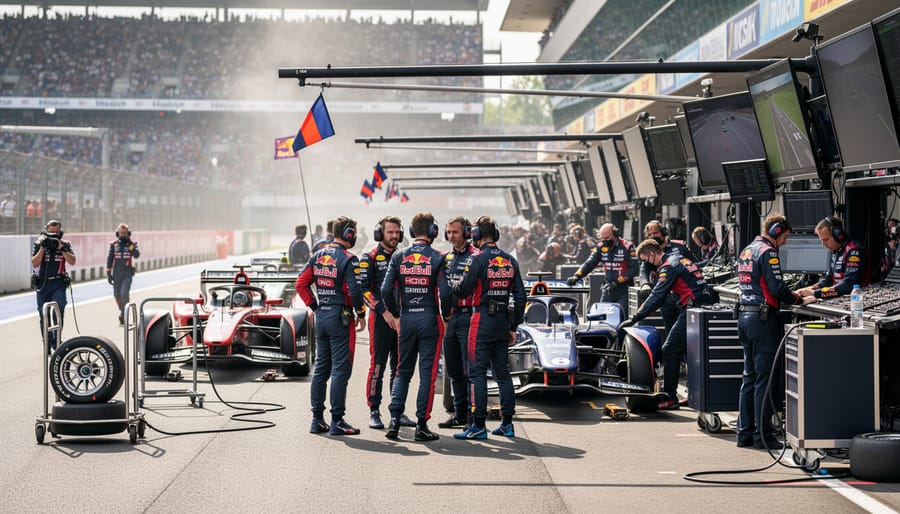
NASCAR’s official website remains the primary source for confirmed starting lineups. The race weekend page for each event publishes the complete grid once qualifying concludes or the lineup is set through alternative methods. These pages display the full field in starting order, typically updated within an hour of the lineup being finalized.
The NASCAR mobile app delivers the same official information directly to your device. Download the app for iOS or Android to receive push notifications when starting lineups are released. The app’s race centre section lists NASCAR starting positions alongside qualifying times and speeds, giving you the complete picture of how the grid was determined.
Team social media accounts often share their driver’s starting position shortly after the lineup is finalized. Follow your favourite teams on Twitter or Instagram for quick updates. Major teams like Hendrick Motorsports, Joe Gibbs Racing, and Team Penske post grid positions within minutes of official confirmation, sometimes adding context about qualifying performance or setup changes.
Television broadcasts announce starting lineups during pre-race coverage. FOX, NBC, and FS1 dedicate segments to the grid during their race day programming, usually beginning two to three hours before the green flag. Broadcast teams walk through front-row starters, notable qualifying performances, and any lineup penalties or changes.
Timing matters considerably. For races with traditional qualifying, lineups are typically set one to two days before the event. Saturday qualifying determines Sunday’s starting order, with official confirmation following the session’s conclusion. When NASCAR uses owner points or formula-based methods, the lineup is usually released late Friday or early Saturday morning. Check official sources on qualifying day or the evening before the race for the most reliable information, as this gives teams time to address any technical issues that might affect grid positions before the official lineup is locked.
How NASCAR Starting Lineups Are Determined
Qualifying Sessions
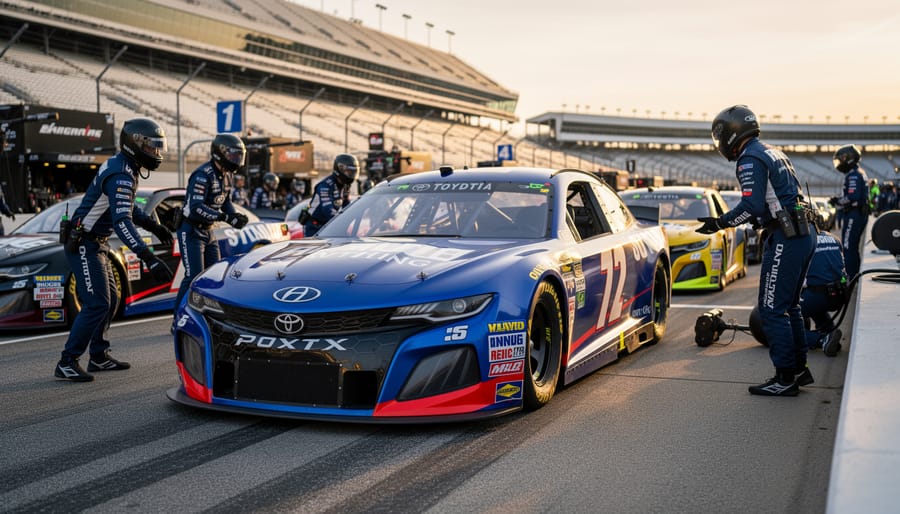
Traditional qualifying sessions remain NASCAR’s most common method for setting starting grids, though the format varies by race weekend. In single-car qualifying, drivers take individual timed laps around the track, the fastest time earns the pole position. The 2026 Daytona 500 used this approach, with Kyle Busch posting the quickest lap during Wednesday’s qualifying session to secure the front row’s inside position. Group qualifying divides the field into segments, with drivers running simultaneously in rounds that eliminate slower qualifiers until the final shootout determines pole.
Timing matters. Most qualifying sessions happen one or two days before the race, giving teams limited opportunity to adjust setups between grid determination and green flag. Daytona’s qualifying ran on Wednesday for a Sunday race, while the Thursday Duels at Daytona finalized the full 41-car field. Weather can push qualifying to race day morning, compressing preparation time. Road course events like the DuraMax Texas Grand Prix at COTA occasionally use different qualifying windows, but the pattern holds, expect results within 48 hours of the start.
Understanding NASCAR’s rich competitive traditions, including Michigan NASCAR history adds context to how qualifying formats evolved across different track types and racing disciplines.
Performance-Based and Points-Based Methods
When traditional qualifying sessions aren’t feasible due to weather, scheduling conflicts, or logistical constraints, NASCAR applies alternative methods to determine starting positions. The most common backup approach uses owner points standings from the current season, with the highest-ranked team in points earning the pole position and subsequent positions assigned in descending order down the field.
This points-based system rewards consistent season-long performance rather than single-lap speed. The formula considers the team’s accumulated points through the Chase points system not driver standings, which becomes particularly relevant when drivers switch teams mid-season or fill substitute roles. For race weekends where qualifying set the lineup initially but weather cancels it, NASCAR may revert to this backup formula.
Some road course events and select races have experimented with performance metrics from practice sessions, though this remains less common than the points-based method. The specific approach varies by series and race circumstances, with NASCAR announcing which method applies when qualifying is cancelled or modified. Teams monitor weather forecasts closely because starting position assignments through owner points versus traditional qualifying can dramatically affect their race strategy and setup choices.
Understanding the Starting Grid Format
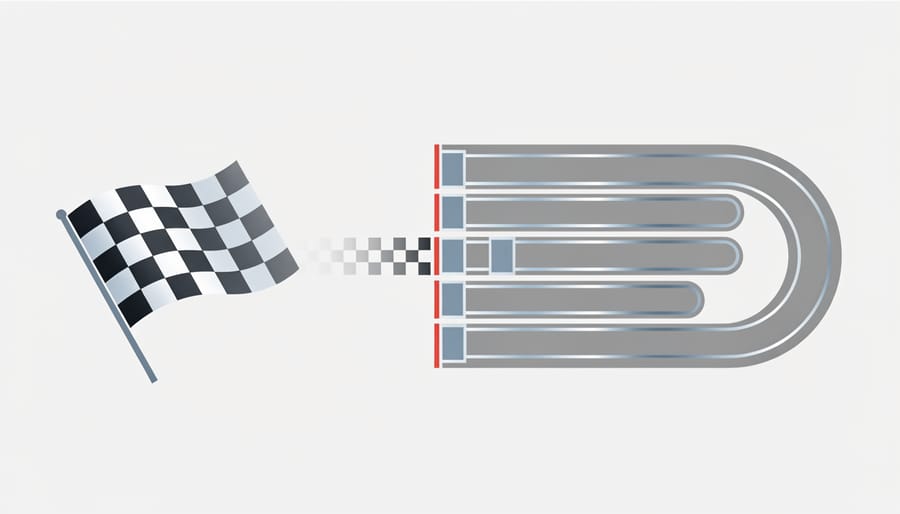
NASCAR Cup Series races typically feature fields of 36 to 40 cars, with the exact number varying based on entries and qualifying results. Understanding how this field arranges itself on the starting grid helps fans interpret lineup announcements and appreciate the advantage certain positions provide.
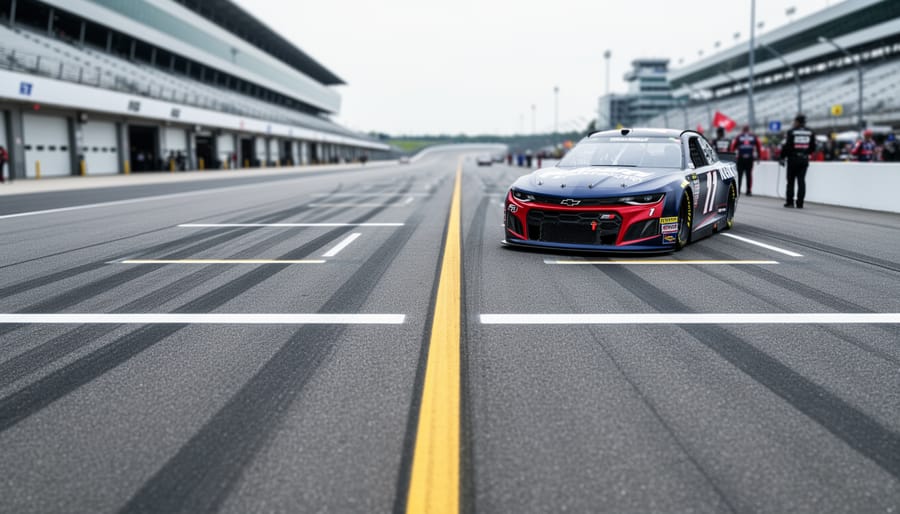
The pole position represents the fastest qualifier and occupies the inside of the front row. This driver starts closest to the inside wall on most tracks, claiming the coveted first position. The outside pole, or second position, goes to the second-fastest qualifier and completes the front row. These two drivers have the cleanest air and best sight lines as the green flag drops.
Behind the front row, the grid continues in two columns. The inside column features odd-numbered positions (third, fifth, seventh, and so on), while the outside column holds even-numbered positions (fourth, sixth, eighth). Drivers line up single-file within their column, maintaining a staggered formation that allows both lanes equal track access as the race begins.
At larger tracks like the Talladega starting grid the field spreads across the wide racing surface with considerable spacing between rows. Road courses and shorter ovals compress the grid differently, but the inside-outside alternating pattern remains consistent.
The 2026 Daytona 500 illustrated a standard Cup Series configuration with its 41-car field, where Kyle Busch claimed the pole and Chase Briscoe took the outside front row position. Similarly, at the DuraMax Texas Grand Prix at Circuit of The Americas, Tyler Reddick earned pole position with Ross Chastain starting alongside him.
When reviewing tomorrow’s lineup announcement, locate the driver names in their numerical order to understand their grid position. The front row always carries strategic value, but track characteristics determine whether inside or outside positioning offers a meaningful advantage through the first corners.
Recent NASCAR Starting Lineup Examples from 2026
Looking at 2026’s NASCAR calendar offers clear illustrations of how starting lineups take shape across different race formats. These examples demonstrate the methods covered earlier while showing the variety you’ll encounter when checking tomorrow’s grid.
The 2026 Daytona 500, NASCAR’s marquee event, followed its traditional multi-day qualifying format. Kyle Busch claimed the pole through Wednesday’s single-car qualifying session, while Chase Briscoe secured the outside front row position. The official 41-car field was finalized after Thursday’s Duel races at Daytona, which set positions 3 through 40. This staggered process meant fans tracking the lineup needed to check updates across three days before the Sunday 1:30 p.m. ET green flag on FOX.
| Race | Pole Position | Front Row | Qualifying Method |
|---|---|---|---|
| 2026 Daytona 500 | Kyle Busch | Chase Briscoe | Single-car qualifying + Duel races |
| DuraMax Texas Grand Prix at COTA | Tyler Reddick | Ross Chastain | Group qualifying session |
The DuraMax Texas Grand Prix at Circuit of The Americas on March 1 presented a contrasting approach. Tyler Reddick posted the fastest lap in group qualifying to earn the pole, with Ross Chastain joining him on the front row. This road course event used a single qualifying session that determined the entire starting order, giving fans the complete grid in one announcement rather than Daytona’s phased approach.
Both races released their lineups well before the 3:30 p.m. ET Sunday broadcast window, but the timing differed based on qualifying format. Daytona’s drawn-out process meant checking back multiple times, while COTA’s straightforward session delivered the full field immediately after qualifying concluded. When you search for tomorrow’s lineup, expect similar variation depending on whether the race uses traditional qualifying, Duel races, or points-based methods.
These concrete examples show why knowing where to check matters as much as when. The official sources covered in the previous section carried these lineups first, often hours before broadcast partners or social media accounts posted complete grids. For Canadian fans eager to meet NASCAR drivers at race weekends, having the starting lineup early helps identify which garage areas to visit during pre-race activities.
Frequently Asked Questions
When is the starting lineup typically released before a NASCAR race?
NASCAR usually releases official starting lineups within a few hours after qualifying sessions conclude, often the day before a race. For races using owner points to set the grid, lineups may be posted up to 48 hours in advance once the formula calculations are finalized.
What happens if a driver changes cars after qualifying?
If a driver switches to a backup car after posting a qualifying time, they must start from the rear of the field. The same penalty applies if teams make unapproved engine or transmission changes between qualifying and the race.
Can starting positions change between the lineup announcement and race day?
Yes, positions can shift due to several factors: drivers dropping to the rear for backup cars or technical infractions, drivers failing pre-race inspection, or competitors withdrawing from the event. These changes are announced during the pre-race broadcast.
How do weather delays affect starting positions?
If qualifying is canceled due to weather, NASCAR sets the starting lineup using owner points standings or a performance-based formula. Once a lineup is set through any method, weather delays to the race itself do not change the grid order.
Can Canadian fans access the same lineup information as U.S. viewers?
Canadian fans have full access to, the NASCAR mobile app, and official team social media accounts where lineups are posted. Race broadcasts on TSN and RDS also display starting grids during pre-race coverage, providing the same information available to American audiences.
Do all three NASCAR national series use the same qualifying format?
The Cup Series, Xfinity Series, and Truck Series each have qualifying sessions, but the specific format can vary by track and series. Some weekends feature single-car qualifying runs, while others use group qualifying sessions where multiple cars are on track simultaneously.
These questions cover the most common scenarios fans encounter when tracking starting lineups throughout the NASCAR season. Understanding the timing of announcements and potential changes helps you stay informed about grid positions as race day approaches. Whether you’re watching from Canada or anywhere else, the information becomes available through multiple channels simultaneously, ensuring fans never miss critical lineup updates that can shape their race-day viewing experience.