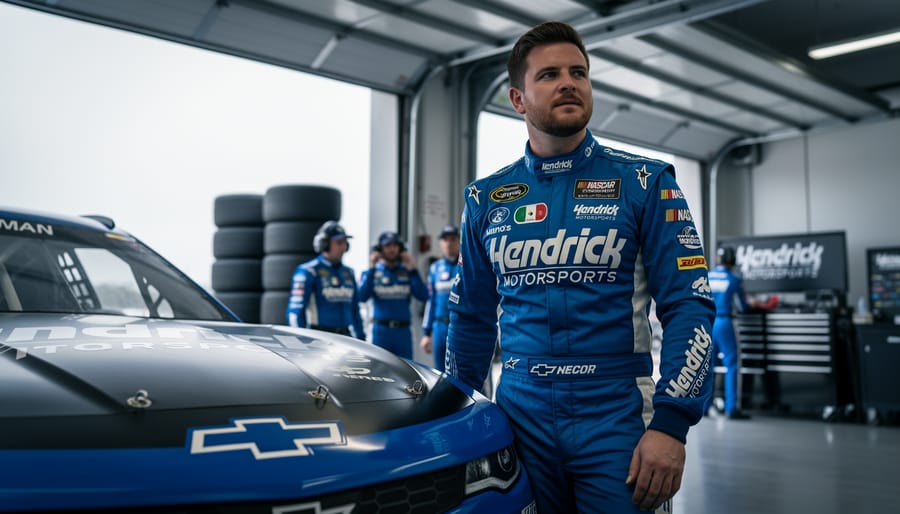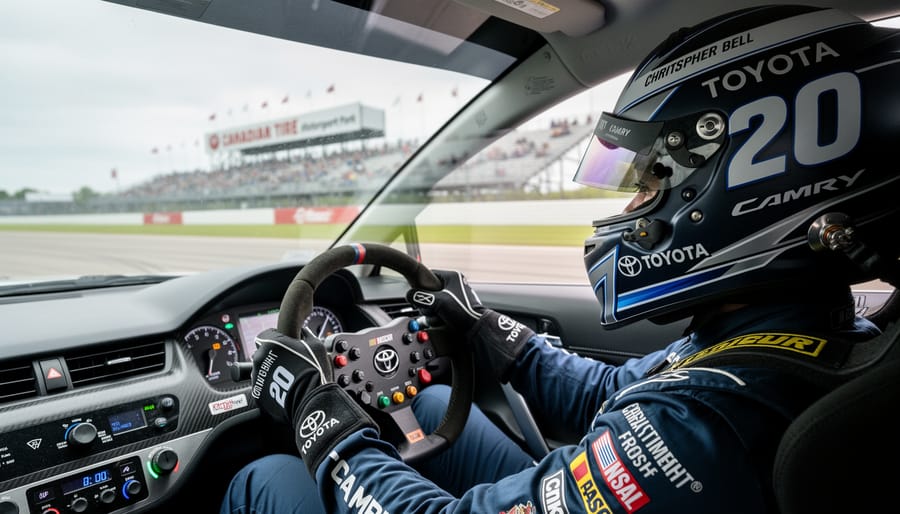
Christopher Bell delivered when it mattered at Canadian Tire Motorsport Park, claiming victory for Joe Gibbs Racing in a race that showcased strategic tire management over outright pace. The driver of the No. 20 Toyota Camry in the NASCAR Cup Series topped the final practice session ahead of Noah Gragson and Kaz Grala, but it was crew chief Adam Stevens’ strategic call that positioned Bell for the win. “I got that great restart on new tires, and I’m like, I’m in position here, baby, we’re going to do this,” Bell said after the race, crediting the tire advantage that allowed him to overcome what he described as an “off road course race for us.”
The victory at the Ontario road course holds particular significance for Canadian racing fans tracking NASCAR’s northern presence, as Bell’s team executed textbook offensive strategy to compensate for handling deficits. “Strategy worked out. Super thankful that Adam Stevens called a really good race, got us on offense, got me a tire advantage over the field, and then I was able to salvage a good finish out of it,” Bell explained, acknowledging the team turned a challenging weekend into a winning result. His candid assessment that “normally we’re stronger than that and got saved by some newer tires” underscores the tactical complexity that separates good finishes from great ones in NASCAR’s Cup Series.
For Canadian enthusiasts following Bell’s career with Joe Gibbs Racing, this performance demonstrates how championship-calibre teams adapt when raw speed isn’t available.
The Race That Highlighted Strategy Over Speed
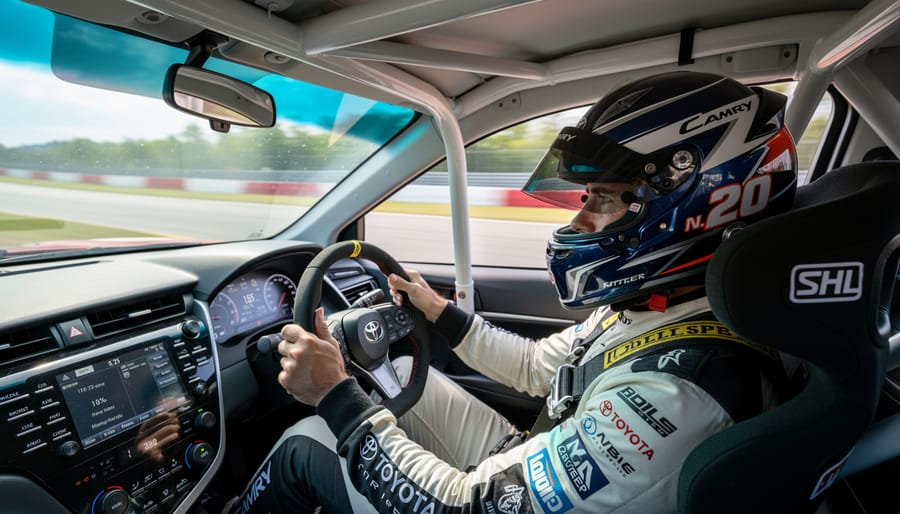
Christopher Bell’s performance at Canadian Tire Motorsport Park started strong when he posted the fastest lap in the final practice session, edging out Noah Gragson and Kaz Grala. That practice speed suggested his No. 20 Toyota Camry had the pace to contend for the win outright, and early race positioning seemed to confirm it.
As the race progressed, however, Bell and crew chief Adam Stevens recognized they didn’t have the raw speed they’d shown in practice. The car wasn’t handling the way it typically does on road courses, and maintaining position through pure performance was going to be difficult. Rather than concede track position and settle for a mid-pack finish, Stevens made the call to pit for fresh tires at a moment when most competitors stayed out.
That decision gave Bell newer rubber compared to the drivers around him, and when the race restarted, he had the grip advantage he needed. Bell described the moment clearly: “I got that great restart on new tires, and I’m like, I’m in position here, baby, we’re going to do this.” The fresher tires allowed him to execute passes he couldn’t have made on equal footing, turning a strategic gamble into the leverage he needed to climb back through the field.
Bell was candid about the team’s performance shortfall. “Yeah, it was an off road course race for us. Normally we’re stronger than that and got saved by some newer tires,” he said after the race. He credited Stevens directly: “strategy worked out. Super thankful that Adam Stevens called a really good race, got us on offense, got me a tire advantage over the field, and then I was able to salvage a good finish out of it.”
The race illustrated how a well-timed pit call can compensate for handling deficits. Bell didn’t have the fastest car that day, but Stevens put him in position to capitalize when it mattered. The tire offset turned what Bell acknowledged as an off weekend into a victory, demonstrating that execution and strategy can bridge the gap when outright speed falls short.
How Tire Strategy Turned an Off Day Into a Victory
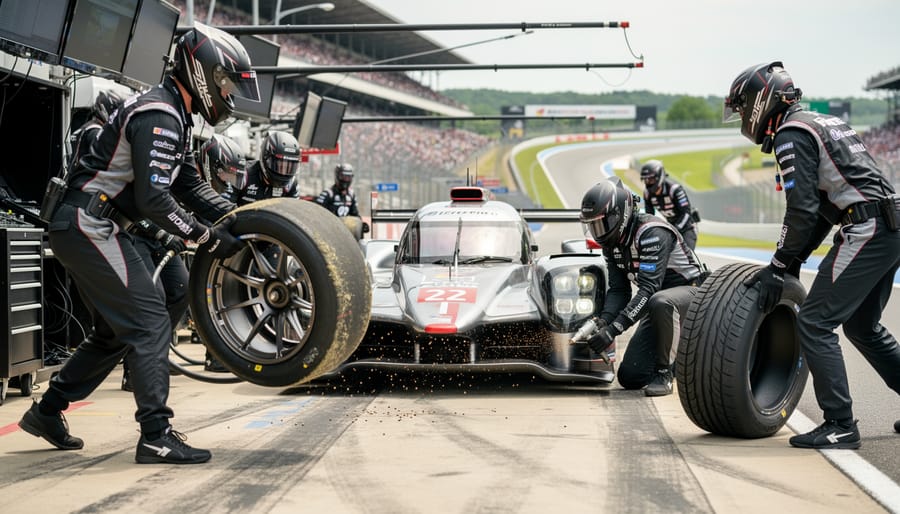
Adam Stevens’ pit strategy turned what Christopher Bell himself acknowledged as a subpar performance into a victory. The crew chief’s decision to bring Bell in for fresh tires at a critical moment created the offensive opportunity that salvaged the race. Bell’s candid assessment afterward captured the reality: “It was an off road course race for us. Normally we’re stronger than that and got saved by some newer tires.”
The strategic gamble centered on timing and track position. While other teams remained conservative with their pit strategies, Stevens recognized that Bell’s No. 20 Toyota wasn’t going to win on pure pace. The call to pit for new rubber put Bell behind on track but ahead on tire delta, a calculated risk that paid off when the caution flags fell at the right moments. Stevens orchestrated what Bell described as getting “us on offense, got me a tire advantage over the field.”
That tire advantage materialized at a crucial restart. Bell’s own words captured the moment: “I got that great restart on new tires, and I’m like, I’m in position here, baby, we’re going to do this.” The grip advantage from fresh Goodyears allowed him to attack where the No. 20 Toyota had been defensive all weekend. Cars ahead on worn tires couldn’t hold their lines through the technical sections of Canadian Tire Motorsport Park, and Bell capitalized.
The victory demonstrated how crew chief-driver collaboration can exploit the strategic dimension of NASCAR racing. Stevens read the race flow, identified where Bell needed help, and made the call that transformed an “off” day into a win. Bell executed the restart and managed the tire advantage through traffic, a reminder that winning sometimes requires strategy over speed.
Bell’s Position in the No. 20 Joe Gibbs Racing Toyota
Christopher Bell pilots the No. 20 Toyota Camry for Joe Gibbs Racing, one of NASCAR’s most established and successful Cup Series organizations. The team has built a reputation for developing young talent and fielding competitive entries across multiple series, and Bell’s role within this structure positions him as a key driver in their Cup program.
Joe Gibbs Racing operates as a multi-car operation with Toyota factory support, providing Bell with access to engineering resources, simulation tools, and shared data across the team’s stable of drivers. This collaborative environment allows drivers to learn from each other’s setups and race strategies, particularly valuable on the diverse range of tracks the Cup Series visits throughout the season.
Bell’s transition to the Cup Series represented a natural progression through the Joe Gibbs Racing pipeline. The team typically promotes drivers who demonstrate consistent performance in their lower-tier programs, and Bell’s advancement to the No. 20 seat followed that established path. His partnership with crew chief Adam Stevens has proven particularly effective in translating speed into results through tactical decision-making, as demonstrated by the tire strategy that secured the Canadian Tire Motorsport Park victory.
The No. 20 Toyota competes week-to-week against a deep field of manufacturers and teams in the Cup Series. Success requires not just raw speed but the ability to adapt to varying track conditions, execute pit strategy, and manage long-distance races where tire wear and fuel windows create constant strategic puzzles. Bell’s recent win showcased these dimensions, turning what he acknowledged as an off performance into a victory through smart calls from the pit box and precise execution on track.
What Canadian Motorsports Fans Should Watch For
Canadian motorsports fans have a unique advantage when following Christopher Bell, he has proven his ability to compete at Canadian Tire Motorsport Park a venue that tests both driver skill and strategic thinking. His recent victory there demonstrated qualities worth watching whenever he returns to road course events.
When evaluating Bell’s performances, focus on several defining characteristics:
- Strong practice session results that signal competitive baseline pace
- Willingness to execute aggressive restarts when presented with tire advantages
- Collaborative relationship with crew chief Adam Stevens on strategic calls
- Ability to maximize equipment performance even on off days
- Composure in converting tactical opportunities into finishing positions
Understanding the NASCAR points system helps Canadian fans appreciate what each finish means for Bell’s broader season objectives. Road course races carry the same points value as oval tracks, but they often create different strategic scenarios that reward adaptability over raw speed.
For Canadians interested in connecting with NASCAR beyond television coverage, opportunities exist to meet NASCAR drivers at various events and appearances. Bell’s approachable demeanor and willingness to discuss race strategy makes him particularly engaging for fans seeking technical insights.
Watch for how Bell manages tire conservation during long runs versus his aggression on fresh rubber. That contrast, evident in his Canadian Tire Motorsport Park performance, reveals a driver who understands when to push and when to preserve, a skill set that translates across all NASCAR disciplines.
Bell’s victory at Canadian Tire Motorsport Park stands as a textbook case of how crew chief instincts and driver execution can salvage what looked like a mediocre performance. Adam Stevens’ decision to play offense with tire strategy handed Bell the tools he needed, and Bell capitalized when it mattered. Races aren’t always won by the fastest car, they’re won by teams that read situations correctly and drivers who can adapt when the script changes.