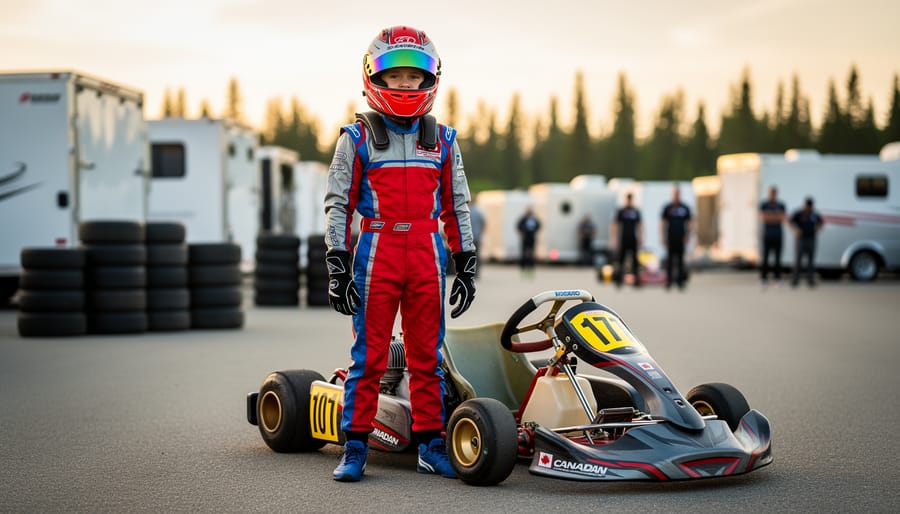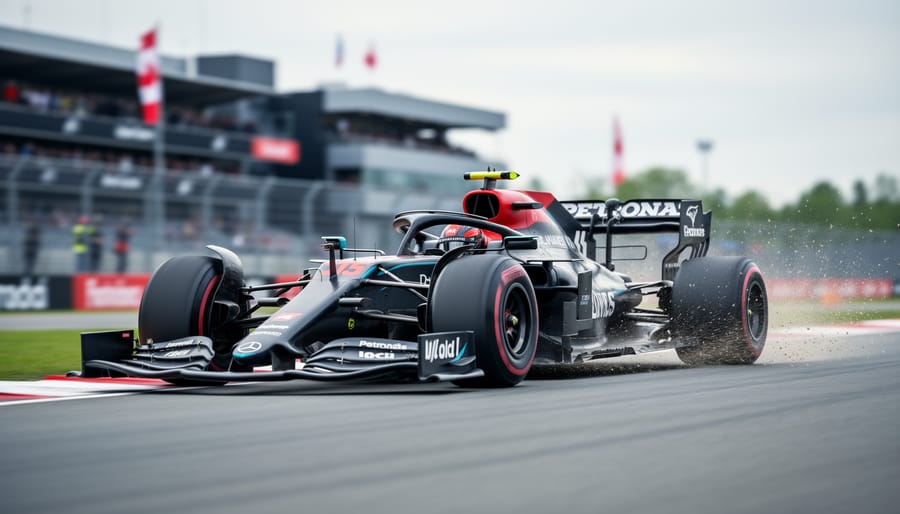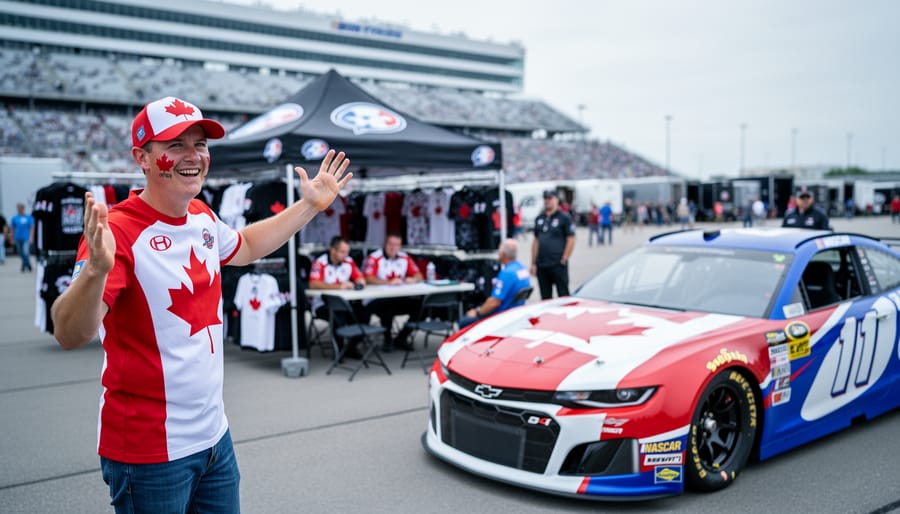
NASCAR driver appearances offer Canadian fans a direct pathway to meet racing legends, learn industry insights, and build connections within motorsports, with opportunities ranging from dealership autograph sessions and corporate events to track days and fan festivals across the border. For enthusiasts willing to travel to major NASCAR markets in Michigan, New York, or North Carolina, these appearances provide unmatched access to professional drivers who share technical knowledge, career advice, and behind-the-scenes perspectives that benefit everyone from casual fans to aspiring professionals in automotive trades and grassroots racing programs.
The appeal extends beyond autographs and photos. Drivers frequently discuss vehicle setup, tire management, race strategy, and the engineering decisions that separate winning teams from the field. For automotive technicians and mechanics, these interactions offer rare insight into high-performance vehicle dynamics and crew chief decision-making under pressure. Students considering motorsports careers gain perspective on the dedication, physical conditioning, and business acumen required at professional levels.
Canadian fans face unique logistical considerations. Most major NASCAR driver appearances cluster around race weekends at tracks in the northeastern and midwestern United States, requiring passport documentation, understanding of customs regulations for purchased merchandise, and advance planning for accommodation. However, select drivers make Canadian appearances through sponsor obligations, particularly when automotive manufacturers or parts suppliers host promotional events in Toronto, Montreal, or Vancouver markets. Understanding where appearances happen, what formats deliver the most value, and how to prepare for each type of event transforms a brief encounter into a meaningful experience that enriches your connection to the sport.
Why Attend NASCAR Driver Appearances
NASCAR driver appearances offer far more than celebrity encounters, they’re rare opportunities to learn directly from professionals who operate at the highest levels of automotive competition. Whether you’re an aspiring mechanic, engineer, motorsports professional, or passionate enthusiast, these events provide insights you simply can’t find in textbooks or online forums.
Drivers routinely discuss the technical intricacies of stock car setup, explaining how they work with crew chiefs to dial in suspension geometry, adjust brake bias, and optimize gear ratios for specific tracks. You’ll hear firsthand accounts of tire management strategies, the critical importance of track position versus raw speed, and how aerodynamic adjustments, from spoiler angles to tape placement, affect handling characteristics. Many drivers who compete at venues like the Michigan road course share practical knowledge about adapting driving techniques and vehicle setup for road racing versus oval tracks.
Beyond the technical education, these appearances deliver significant value through:
- Direct access to career guidance for those pursuing motorsports professions
- Behind-the-scenes insights into team operations and race weekend logistics
- Personal autograph sessions with memorabilia and hero cards
- Photo opportunities with drivers and show cars
- Open Q&A sessions where you can ask specific technical questions
- Networking with other automotive professionals and enthusiasts
The business side is equally instructive. Drivers explain sponsorship dynamics, media responsibilities, physical training regimens, and the financial realities of professional racing. For automotive industry professionals, these appearances reveal how racing technology translates to consumer vehicles and how manufacturers leverage motorsports for product development.
The entertainment factor remains substantial, meeting your racing heroes creates lasting memories, but the educational component makes these appearances genuinely valuable investments of time and money for anyone serious about automotive technology or motorsports careers.
Top Types of NASCAR Driver Appearances for Canadian Fans
1. Major Auto Shows and Motorsports Expos
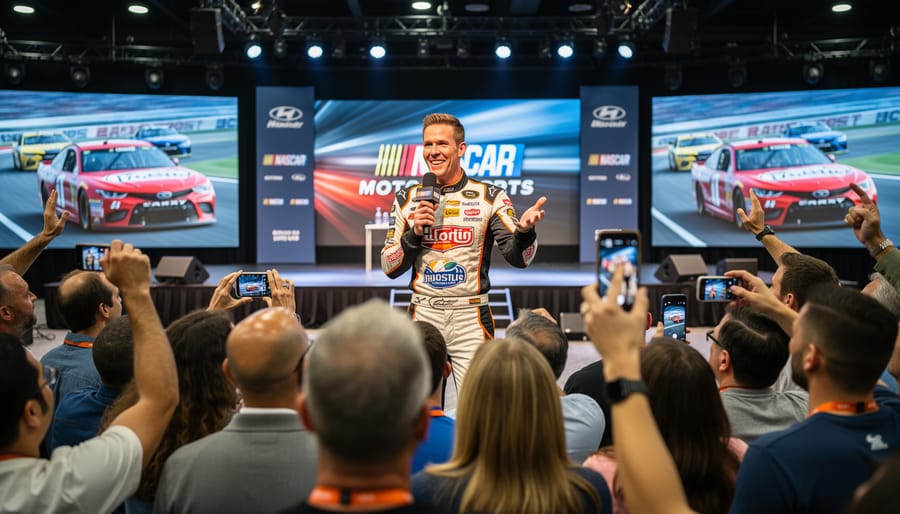
Major auto shows represent prime opportunities to meet NASCAR drivers in controlled, accessible environments. The Canadian International AutoShow in Toronto and Montreal International Auto Show consistently attract top-tier racing talent, particularly during manufacturer-sponsored segments promoting their NASCAR programs. These multi-day events transform convention centers into immersive automotive experiences where drivers appear as both brand ambassadors and technical experts.
Stage presentations typically run 30-45 minutes, featuring drivers discussing their current season, championship technology, and specific engineering challenges they face on track. You’ll gain insights into aerodynamic packages, suspension tuning for different track types, and how NASCAR’s spec components influence setup decisions. Many presentations include video analysis of recent races, breaking down race-winning moves or explaining how teams adjust strategy based on tire wear data.
Meet-and-greet sessions usually follow stage appearances, offering 15-30 seconds of face time for autographs and quick photos. Arrive at the designated booth 20-30 minutes early since lines form fast. Manufacturer displays surrounding these areas showcase actual race cars, cutaway engines, and interactive exhibits explaining stock car construction. You’ll see chassis design, safety cell engineering, and fuel cell placement firsthand.
Simulator experiences let you sample racing dynamics under driver supervision. Some shows feature professional-grade simulators where drivers provide real-time coaching on racing lines, throttle management, and braking points. These hands-on opportunities translate racing theory into visceral understanding of vehicle control at speed, making auto shows invaluable for aspiring motorsports professionals.
2. Race Weekend Fan Zones and Hospitality Events
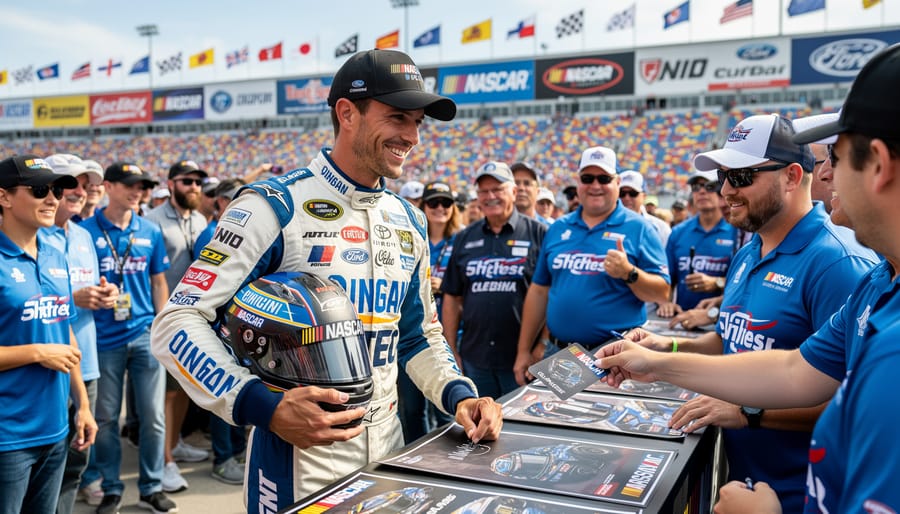
Race weekends at tracks like Canadian Tire Motorsport Park offer some of the most accessible and educational driver interactions for Canadian NASCAR fans. During NASCAR Pinty’s Series events and special exhibition races, fan zones transform the track experience into a comprehensive motorsports education opportunity.
Fan zones typically open several hours before race time, featuring dedicated areas where drivers sign autographs, pose for photos, and discuss their race setup decisions. Unlike the controlled environment of auto shows, these trackside appearances let you observe the pre-race atmosphere and potentially watch teams prepare cars in the paddock area. Many tracks offer pit access passes that allow fans to walk through pit lane, examine race cars up close, and speak with crew members about suspension geometry, tire compounds, and aerodynamic adjustments specific to that circuit.
Pre-race Q&A panels are particularly valuable for learning about racing technology. Drivers explain track-specific challenges, brake zone strategy, optimal racing lines, and how weather affects car setup. These sessions often reveal the decision-making process behind shock absorber settings, gear ratios, and fuel management strategies that directly translate to understanding high-performance automotive engineering.
For fans willing to travel, venues like Richmond Raceway host major NASCAR Cup Series events with extensive fan zones and driver appearances throughout race weekend. Canadian tracks generally offer a more intimate experience with shorter wait times and longer interaction windows, making them ideal for asking detailed technical questions about vehicle dynamics and racing careers.
3. Dealership and Sponsor Promotional Events
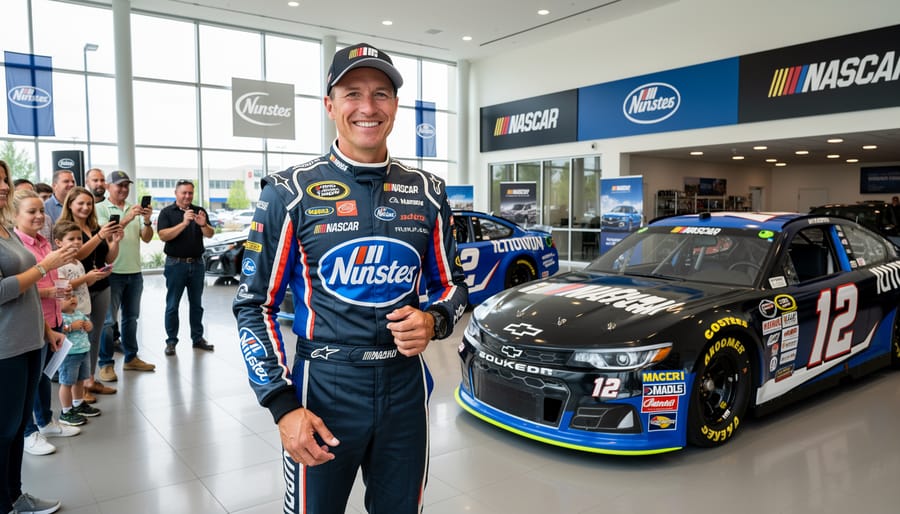
Automotive dealerships and corporate sponsors regularly bring NASCAR drivers directly to local communities through promotional events that blend entertainment with product education. Ford, Chevrolet, and Toyota dealerships, the three manufacturers with active NASCAR programs, frequently host drivers to showcase performance vehicles, launch new models, or demonstrate the connection between race technology and consumer cars. These appearances create intimate settings where fans can learn how racing innovations like advanced aerodynamics, turbocharged engines, and electronic stability systems transition from the track to showroom models.
Product launch events typically feature drivers discussing specific vehicle attributes they appreciate from a professional perspective: handling characteristics, power delivery, braking performance, and build quality. You’ll hear firsthand insights about how race-proven engineering influences production vehicles. Drivers often share stories connecting their on-track experiences to the technology in the cars surrounding them.
Brand activation events for major sponsors, energy drink companies, automotive parts manufacturers, tool brands, and insurance providers, create interactive experiences. Expect simulator challenges, photo opportunities, product demonstrations, and Q&A sessions focused on both racing careers and technical topics. These sponsors invest heavily in NASCAR partnerships and use driver appearances to strengthen consumer connections.
Charity fundraisers represent another common format, where drivers donate their time to support causes while dealerships or sponsors coordinate the event logistics. These tend toward relaxed atmospheres with extended interaction time, auction items, and opportunities for meaningful conversation beyond quick autograph lines.
Most dealership and sponsor events are free to attend, though some charity functions require tickets or donations.
4. Racing Schools and Performance Driving Clinics
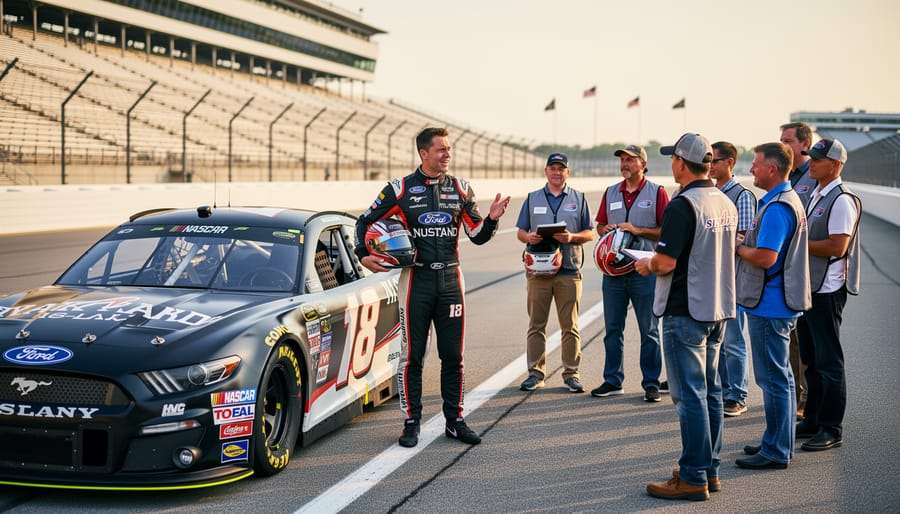
Racing schools and performance driving clinics represent some of the most educationally valuable NASCAR driver appearances for Canadian automotive enthusiasts. Unlike passive meet-and-greets, these programs put you in the driver’s seat with professional racing instruction.
Several Canadian facilities host NASCAR drivers as guest instructors or speakers. Canadian Tire Motorsport Park in Bowmanville, Ontario runs performance driving schools where Cup Series veterans occasionally teach advanced techniques. Circuit Mont-Tremblant in Quebec similarly features professional racing clinics with NASCAR talent during their summer programs. These sessions typically focus on racing fundamentals that translate directly to understanding vehicle dynamics: threshold braking, corner entry and exit optimization, weight transfer management, and reading racing lines.
The hands-on component sets these appearances apart. Instead of just signing autographs, drivers demonstrate techniques on track, ride along in dual-control vehicles to provide real-time coaching, and analyze telemetry data with participants afterward. You’ll learn how professionals approach tire management across a stint, how suspension setup affects handling characteristics, and how aerodynamic changes impact stability at speed.
Costs vary significantly. Single-day performance driving schools with guest NASCAR instructors typically range from $800 to $2,500 depending on track time and coaching intensity. Multi-day racing schools featuring Cup Series drivers as curriculum consultants can exceed $5,000 but deliver comprehensive motorsports education directly applicable to automotive careers or serious amateur racing.
5. Corporate and Private Events
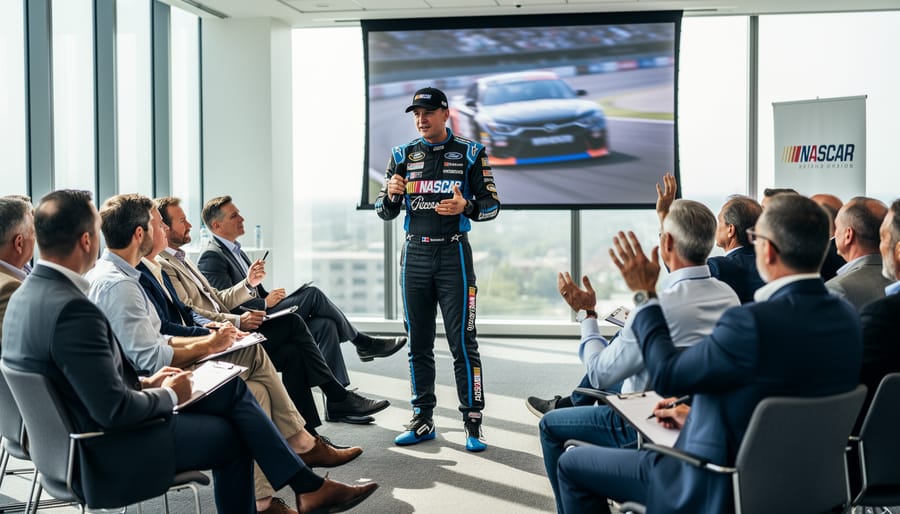
Businesses across Canada regularly book NASCAR drivers for exclusive corporate functions, recognizing their unique ability to deliver compelling lessons on performance, teamwork, and decision-making under pressure. These private engagements range from keynote presentations at automotive industry conferences to intimate team-building sessions where drivers share firsthand insights about race strategy, crew communication, and split-second risk assessment.
Corporate speaking engagements typically feature drivers discussing parallels between motorsports and business: how racing teams manage high-stakes projects, optimize processes under time constraints, and maintain focus during adversity. For automotive dealerships, manufacturers, and parts suppliers, these sessions provide direct access to professionals who can explain the latest vehicle technologies, racing innovations, and how track developments translate to consumer products.
Private hospitality experiences often include VIP suite access at race weekends, exclusive pit tours with driver-led explanations of car setup and engineering decisions, and small-group Q&A sessions where attendees can ask detailed technical questions. Some companies arrange simulator sessions where drivers coach executives on racing lines, braking points, and vehicle dynamics, valuable lessons that reinforce concepts like precision, preparation, and continuous improvement.
These events aren’t publicly advertised, so booking requires contacting driver management firms, racing team marketing departments, or specialized sports entertainment agencies that handle NASCAR talent. Costs vary significantly based on driver popularity and event scope, but the educational value for automotive professionals justifies the investment.
6. Charity and Community Events
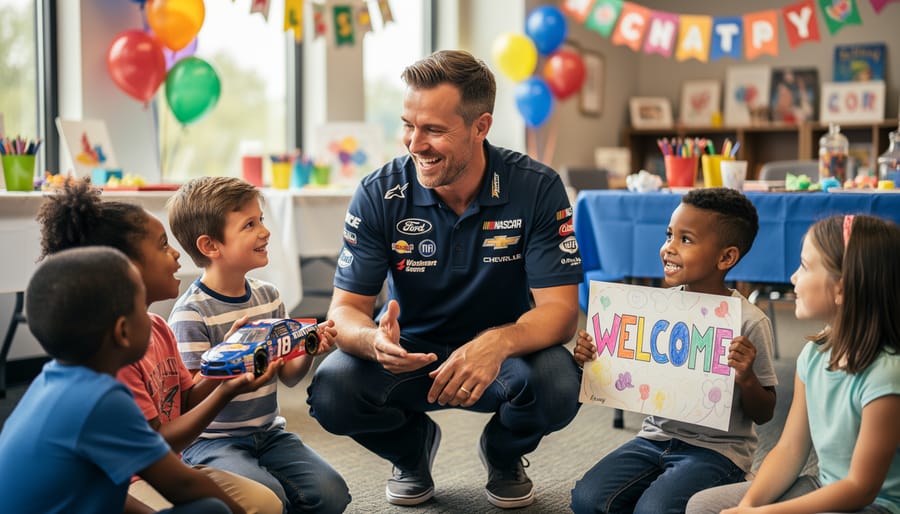
NASCAR drivers regularly participate in charity and community events across North America, creating some of the most accessible and meaningful fan interaction opportunities. These appearances typically have a more relaxed atmosphere than commercial events, allowing for genuine conversations and extended learning moments.
Fundraisers and charity auctions frequently feature driver appearances, where participants can engage in longer discussions about racing careers, vehicle technology, and the business of motorsports. Drivers often stay beyond scheduled times at these events, answering technical questions and sharing insider perspectives on race preparation and strategy.
Hospital visits represent particularly intimate appearances where drivers spend time with young patients, bringing racing gear and explaining how cars work in terms kids can understand. These visits rarely attract large crowds, creating space for personal interaction that’s difficult to achieve at public events.
Youth programs and school visits offer educational value for students interested in automotive careers. Drivers discuss physics, engineering, teamwork, and the various professional roles within racing teams, from mechanics to data analysts. Many drivers connect their personal education paths to current opportunities in motorsports.
Community outreach events, including local library talks, STEM programs, and regional festivals, often provide free access. Canadian communities near border areas sometimes host these appearances, particularly in Ontario and Quebec. The informal setting encourages questions about everything from car setup to career development in the automotive industry.
7. Virtual and Online Appearances
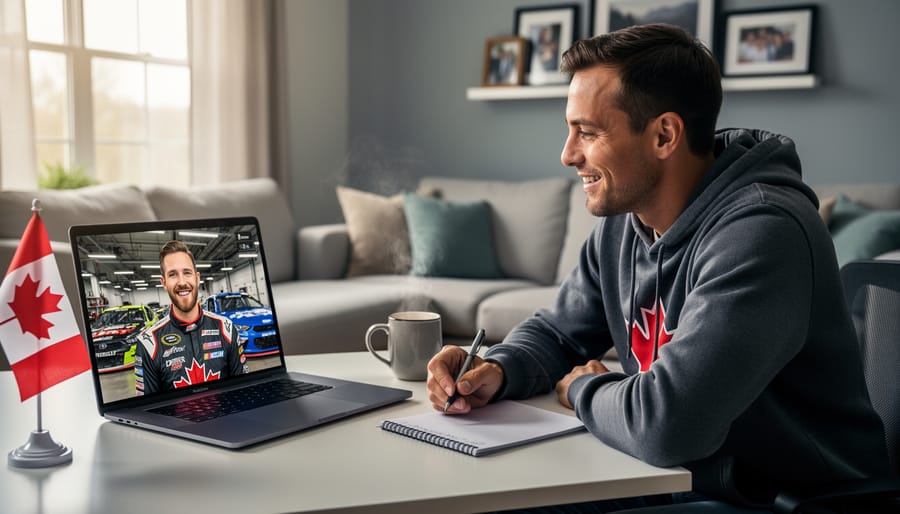
Virtual appearances have transformed how Canadian fans connect with NASCAR drivers, eliminating geography as a barrier. Since the pandemic, drivers and teams have embraced digital platforms to engage with their fanbase, creating opportunities that persist year-round.
Most virtual meet-and-greets happen through Zoom or similar video conferencing platforms, where fans join scheduled sessions for Q&A opportunities. Drivers like Chase Elliott and Kyle Larson have hosted these events through their team sponsors, often tying them to product launches or charity initiatives. Sessions typically last 30-60 minutes and may include breakout rooms for smaller group interactions.
Instagram Live and Facebook Live have become go-to platforms for informal driver chats. Many drivers broadcast from their shops or homes, answering technical questions about race setups, tire strategy, or chassis adjustments while showing behind-the-scenes footage. These streams are usually unannounced or promoted just hours beforehand, so following drivers’ verified social accounts is essential.
Twitter Spaces offers audio-only conversations where drivers discuss recent races or upcoming events. NASCAR’s official channels also host regular streaming content featuring driver panels and technical deep-dives. Racing gaming platforms like iRacing occasionally feature professional drivers in online events where fans can race alongside them virtually, providing unique interaction opportunities that blend competition with accessibility.
Practical Information for Attending Driver Appearances
Successfully navigating NASCAR driver appearances requires planning and understanding what to expect. Start by monitoring official sources: check, individual driver social media accounts, and team websites for announcement schedules. In Canada, follow venues like Canadian Tire Motorsport Park and major auto show organizers for local opportunities. Racing fan clubs and regional motorsports forums often share advance notice of upcoming appearances.
Costs vary significantly by event type. Auto show appearances are typically included with general admission ($15-30), while racing school sessions with driver instruction can exceed $500. Dealership and sponsor events are often free but may require registration. VIP meet-and-greet packages at race weekends range from $100-300 depending on access level and memorabilia included.
| Event Type | Typical Cost | Advance Notice | Interaction Level | Best For |
|---|---|---|---|---|
| Auto Shows | $15-30 (admission) | 2-4 weeks | Brief (5-10 min) | Entertainment, quick autographs |
| Race Weekend Fan Zones | Free-$50 | 1-2 weeks | Moderate (15-20 min) | Both education and entertainment |
| Racing Schools | $500+ | 1-3 months | Extended (2+ hours) | Technical education, coaching |
| Virtual Appearances | Free-$100 | 1 week | Limited (Q&A format) | Accessibility, broad topics |
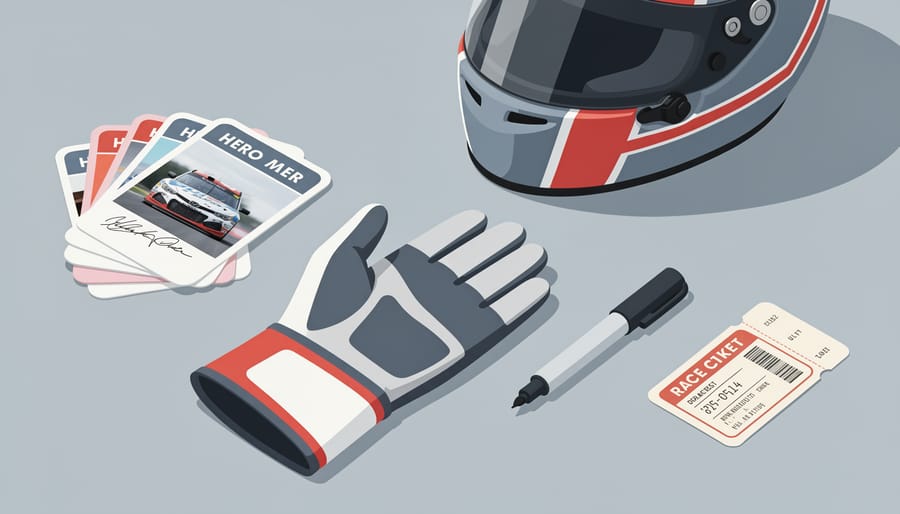
Bring items strategically: one or two quality pieces for autographs work better than a stack of memorabilia. Diecasts, hero cards, hats, and photos are standard. Many events restrict professional camera equipment but allow smartphones. Respect time limits, as drivers often have tight schedules with dozens of fans waiting.
For Canadians crossing the border to U.S. events, ensure your passport is current and declare any purchases over your exemption limit on return. If attending a race weekend appearance, book accommodations early, as track-area hotels fill quickly. Check event websites for specific photography policies, prohibited items, and COVID-related protocols that may still apply at certain venues.
Making the Most of Your Experience: Local Tips and Insider Advice
Success at driver appearances comes down to preparation and understanding the format. Research the driver’s recent race performance, career highlights, and sponsor partnerships before you attend, this background lets you ask informed questions about specific races, technical decisions, or career turning points rather than generic queries. Prepare two or three thoughtful questions in advance, focusing on topics that interest you most, whether that’s tire strategy, aerodynamic adjustments, or career advice for aspiring motorsports professionals. Drivers appreciate fans who’ve done their homework and can engage in substantive conversations about racing.
Arrive early, ideally 30 to 45 minutes before the scheduled start time. This gives you better positioning in line, increases your chances of extended interaction time before the crowd builds, and sometimes allows you to observe setup and sound checks where casual conversations happen. Bring quality items for autographs, die-cast cars, hero cards, photos, or racing programs work better than random scraps of paper. Keep a permanent marker handy since venues don’t always provide them, and consider bringing a phone or camera for photos if the event allows it (always ask staff about photography policies first).
Canadian fans should connect with local motorsports communities through social media groups, regional racing forums, and track fan clubs to learn about upcoming appearances early. Follow NASCAR Pinty’s Series teams and drivers on Instagram and Twitter, where appearance announcements often happen first. After the event, engage on social media by sharing your experience, tagging the driver, and thanking sponsors, this builds your profile within the community and sometimes leads to invitations for future exclusive events or hospitality experiences. Building these relationships over time creates more opportunities for meaningful interactions and deeper learning about the sport.
Frequently Asked Questions
How do I find out about upcoming NASCAR driver appearances in Canada?
Follow drivers and racing series on social media, subscribe to newsletters from major auto shows and tracks like Canadian Tire Motorsport Park, and check manufacturer and sponsor websites for promotional events. Many dealerships also announce local appearances through their social channels and email lists.
Are NASCAR driver appearances free to attend?
It depends on the venue. Auto show appearances typically require show admission, while many dealership events and charity functions are free. Premium experiences like VIP meet-and-greets, racing school sessions, or private hospitality events involve fees ranging from $50 to several hundred dollars.
Can I get multiple items signed and ask technical questions?
Most drivers sign 1-2 items per person in high-volume settings but may accommodate more at smaller events. Drivers generally welcome technical questions about car setup, tire strategy, and racing technology, though time constraints at busy appearances may limit detailed discussions. Smaller charity events or racing schools offer better opportunities for in-depth conversation.
What should I bring to a driver appearance?
Bring items to be signed such as diecasts, hats, hero cards, or photos, plus a quality pen or marker. Have your phone ready for photos where permitted, and prepare 2-3 thoughtful questions about racing or the Chase points system if you want to maximize your interaction time.
Are children welcome at driver appearances?
Yes, most appearances are family-friendly and drivers typically enjoy meeting young fans. Some events offer dedicated kids’ Q&A sessions or junior fan zones with more relaxed interaction opportunities.
Beyond these common questions, remember that appearance duration varies widely. Quick autograph sessions at auto shows may last 30-60 minutes with limited one-on-one time, while racing school clinics or corporate speaking engagements can span several hours with substantial interaction. Dealership events typically run 2-3 hours, and charity functions often provide the most relaxed atmosphere for conversation. Arrive early for the best position in line, respect the driver’s time and the event staff’s directions, and maintain realistic expectations about interaction length in high-traffic settings.