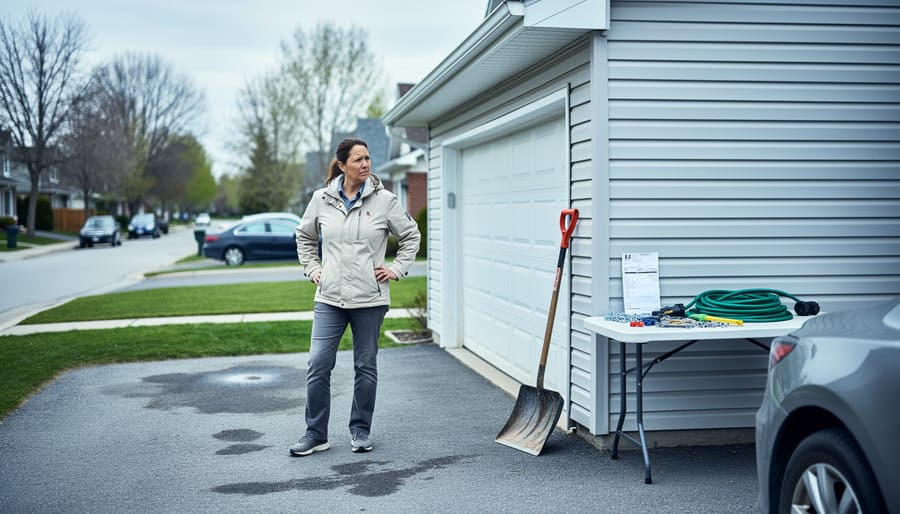
Owning a second property you didn’t choose comes with carrying costs that typically range from $1,500 to $4,000 per month in Canada, though the final number hinges on location, property condition, and how you choose to manage it. Unlike buying a car where you know the sticker price upfront, inheriting a house or receiving one through a divorce settlement means absorbing ongoing expenses you may not have budgeted for.
The biggest cost drivers mirror what automotive enthusiasts understand about vehicle ownership: depreciation prevention (maintenance and repairs), carrying charges (mortgage payments at the current 7.50% average rate, property taxes, and insurance), and operational expenses (utilities, lawn care, snow removal). Just as a garage-kept classic requires less intervention than a daily driver, a well-maintained property in a stable neighborhood costs less to hold than a fixer-upper in a declining market.
Property taxes alone can consume 1-2% of your home’s assessed value annually, while insurance premiums vary wildly based on whether the home is occupied or vacant. Vacant properties face premium increases of 50-100% over standard homeowner policies, a penalty that catches many new owners off guard. Add utilities that continue regardless of occupancy, and the monthly burn rate climbs quickly.
The decision framework is familiar: do you keep it, invest in it, or sell inherited house assets that drain resources? This guide breaks down every cost category, shows you where DIY effort can cut expenses versus where professional management pays for itself, and maps out your strategic options with the same analytical rigor you’d apply to evaluating whether to restore that project car or sell it while the market’s hot.
What You’ll Pay Monthly for an Unwanted Second Property

Carrying a second property you never intended to own is like keeping a vehicle you never drive parked in your garage, the costs don’t stop just because you’re not using it. Every month, that unwanted property demands cash regardless of whether you visit it, rent it, or simply let it sit empty. Understanding these recurring expenses helps you grasp the true financial burden and decide what to do next.
The mortgage payment typically dominates your monthly outlay. If the property came with an existing mortgage at the current 7.50% average rate, you’re looking at substantial interest charges on top of principal repayment. A modest property with a $300,000 mortgage runs roughly $2,100 monthly in payments alone. Even if the property is paid off, common with inheritances, you’re losing the opportunity to invest that equity elsewhere, which represents a hidden monthly cost in foregone returns.
| Expense Category | Typical Monthly Range | Key Variables |
|---|---|---|
| Mortgage/Financing | $1,500, $3,000+ | Loan balance, 7.50% current rate, term remaining |
| Property Tax | $200, $600 | Province, municipality, assessed value |
| Insurance | $100, $250 | Vacant vs. occupied, location, coverage level |
| Utilities | $150, $400 | Climate, property size, minimal vs. full service |
| Maintenance Reserve | $100, $300 | Property age, condition, deferred repairs |
Property taxes hit monthly even though they’re billed annually or semi-annually. Rates vary dramatically by province and municipality, a Toronto property faces higher mill rates than a rural Saskatchewan home, and assessed values differ wildly. Budget for this expense by dividing your annual tax bill by twelve.
Insurance premiums spike when the property sits vacant. Insurers view unoccupied homes as higher risk for theft, vandalism, and undetected damage like burst pipes. Expect to pay 50-75% more than standard homeowner policies, and some insurers won’t cover vacant properties at all without specialized coverage.
Utilities can’t be fully shut off even if no one lives there. You need minimal heating to prevent freeze damage in Canadian winters, basic electricity for security systems or sump pumps, and often water service to avoid line issues. These baseline costs run year-round whether the property generates income or not.
Maintenance reserves matter because properties deteriorate, and deferred repairs compound quickly. Setting aside money monthly for eventual roof replacement, furnace failure, or plumbing emergencies prevents financial shock when systems fail. Older properties demand larger reserves.
The total monthly burden typically ranges from $2,000 to $4,000 depending on the variables above, and every dollar comes from your pocket with zero benefit if you didn’t choose this asset. Like maintaining that second car collecting dust, these fixed costs accumulate relentlessly until you make a strategic decision about the property’s future.
Annual and Unexpected Costs That Add Up
While you’re budgeting for monthly bills, the real financial sting often comes from annual events and surprise expenses that hit without warning. Property tax reassessments can jump hundreds or even thousands of dollars year-over-year, particularly in markets experiencing rapid appreciation. Insurance renewals frequently bring rising insurance premiums especially for vacant or seasonally occupied properties that insurers view as higher risk.
Major system failures arrive on their own schedule, not yours. A furnace replacement runs $4,000-$8,000, a roof costs $8,000-$20,000 depending on size and materials, and HVAC system overhauls can exceed $10,000. Foundation issues, plumbing failures, and electrical problems compound quickly when a property sits empty and small issues go unnoticed until they become catastrophic.
Seasonal maintenance demands vary dramatically across Canada. Properties in Alberta, Saskatchewan, or Ontario require snow removal contracts, gutter cleaning before freeze-up, and winterization if vacant, expenses familiar to anyone tracking winter driving costs for multiple vehicles. Atlantic and BC properties face different challenges: moisture management, moss removal, and storm damage repair from coastal weather systems.
Beyond predictable annual costs, expect these surprise expenses to surface:
- Property tax reassessments and special municipal levies for infrastructure projects
- Major system failures (furnace, water heater, roof, foundation) requiring immediate replacement
- Weather-related damage from storms, ice dams, or flooding not fully covered by insurance
- Pest control and remediation for rodents, insects, or wildlife intrusion in vacant properties
- Security upgrades after break-ins or vandalism targeting obviously unoccupied homes
Vacancy accelerates deterioration dramatically. Unheated homes develop moisture problems, pipes freeze despite winterization efforts, and stagnant plumbing breeds mold. Properties without regular occupancy attract vandalism, squatters, and theft of copper pipes or appliances. Insurance companies recognize this reality, charging premiums 50-75% higher for vacant properties or excluding coverage entirely after 30-60 days of vacancy.
Budget a minimum 1-2% of property value annually for maintenance and repairs on occupied properties, but double that for vacant ones. The costs multiply when you can’t immediately address small problems before they cascade into major failures requiring emergency contractor rates.
What Drives the Cost of Your Second Property Higher or Lower
Location and Property Market Dynamics
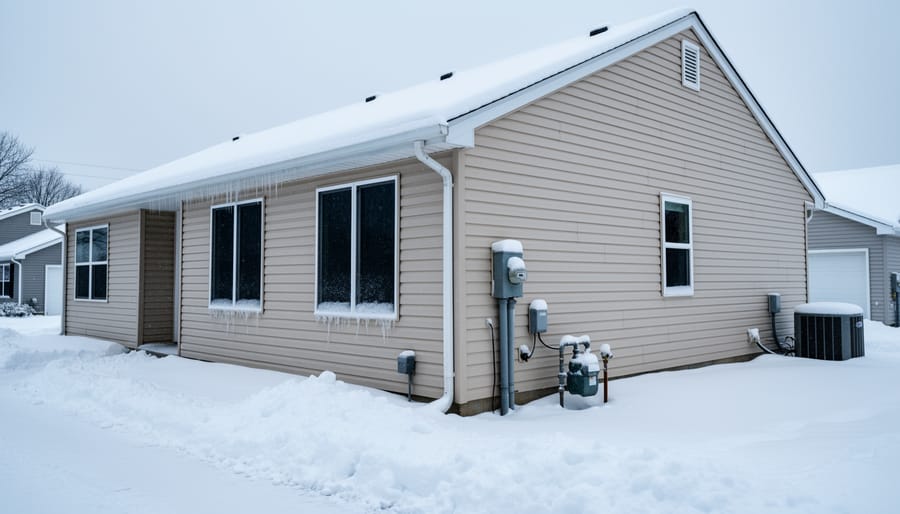
Where your property sits determines what you’ll pay to keep it, often by thousands per year. A condo in downtown Toronto faces property taxes, condo fees, and insurance premiums far exceeding a rural home in New Brunswick, even if the buildings share similar square footage. Vancouver properties command premium insurance and utilities, while Saskatchewan offers lower tax rates but higher heating bills through brutal winters. Provincial property tax structures add another layer: British Columbia’s speculation tax targets vacant second homes at 2% of assessed value annually, Ontario varies wildly by municipality, and Alberta keeps rates relatively low but with steeper utility connection charges.
Local market conditions matter beyond taxes. Hot markets like Toronto mean higher replacement costs for insurance underwriting, which inflates premiums. Strong rental demand in urban centres lets you offset carrying costs through tenant income, whereas a rural property in a declining market sits vacant, accumulating expenses without revenue. Just as location impacts costs for track access and vehicle storage, your property’s geography determines whether you’re managing a $2,000 monthly burden or a $4,500 one.
Mortgage and Financing Considerations
Mortgage debt on an unwanted second property hits harder than most expect. At the current 7.50% average rate, a $300,000 mortgage costs roughly $2,100 monthly in principal and interest alone, money flowing toward an asset you never chose to own. If you inherited the property with an existing mortgage, you’ve assumed that payment obligation whether you keep, rent, or prepare to sell.
Even a fully paid-off second property creates financial drag. Lenders count it against your debt-to-income ratio when you apply for new financing, including that performance car loan or classic restoration project funding. The property’s ongoing costs, taxes, insurance, maintenance, reduce your available credit capacity. Banks view you as carrying higher risk because you’re managing two properties, which can mean higher interest rates or outright loan denials.
If you’re financing the second property yourself to buy out co-inheritors or cover a divorce settlement, you’re compounding the problem. You’re paying 7.50% interest on an asset you didn’t want while potentially blocking access to better financing opportunities. For automotive enthusiasts balancing passion projects with unexpected real estate obligations, this mortgage burden directly competes with vehicle acquisition and modification budgets, making the case for quick resolution even stronger.
Property Condition and Age
Older properties cost more to maintain, period. A house built in the 1970s or earlier typically needs systematic updates, aging HVAC systems, outdated electrical panels, deteriorating roofing materials, plumbing that corrodes over time. Budget for these replacements whether you planned to own the property or not. Deferred maintenance compounds; what starts as a small roof leak becomes structural damage that costs thousands to remediate.
Vacant properties deteriorate faster than occupied ones. Without regular heating cycles, pipes freeze. Without air circulation, mold takes hold. Rodents and insects move in unchallenged. Insurance companies know this, many charge 30-50% higher premiums for unoccupied properties, and some refuse coverage entirely after 30 consecutive vacant days. You’ll also lose the early warning system an occupant provides: a burst pipe discovered immediately costs hundreds, discovered weeks later costs tens of thousands.
Seasonal maintenance becomes your responsibility alone. Nobody’s there to shovel walks, clear gutters, or handle snow and ice prep you’ll either drive there repeatedly or hire contractors. Properties in harsh climates (Alberta winters, coastal humidity) demand more frequent intervention. An occupied home maintains itself through daily use; a vacant one demands active preservation.
Managing Costs Yourself vs. Hiring Professional Help
Managing your unwanted second property yourself versus hiring professionals mirrors the decision automotive enthusiasts face with vehicle maintenance, both require honest assessment of your time, skills, and the complexity of what needs doing. If you’ve ever weighed changing your own brake pads against booking a shop, you understand the calculation: DIY saves money upfront but demands hours you may not have, while professional help costs more but returns your weekends.
The DIY maintenance approach to property management means you handle everything, tenant screening and lease agreements, rent collection, maintenance calls at inconvenient times, coordinating repairs, seasonal upkeep, and regulatory compliance. You’ll spend 10-20 hours monthly on a single rental property, more if tenants are demanding or repairs escalate. The financial advantage is clear: you avoid property management fees (typically 8-12% of monthly rent) and can prioritize low-cost fixes over expensive contractor calls. You maintain complete control over tenant selection, property decisions, and cost management. This works best if you live nearby, possess basic handyman skills, understand landlord-tenant law in your province, and can respond to emergencies quickly. For automotive professionals with mechanical aptitude and problem-solving experience, the skill overlap is real, diagnosing a furnace issue resembles troubleshooting a vehicle system. But properties are less forgiving than cars: a missed oil change won’t flood your neighbour’s unit.
Pros
- No management fees means you keep 8-12% more of rental income or avoid those costs entirely on a vacant property.
- Complete control over tenant selection, maintenance priorities, and spending decisions.
- Direct relationship with tenants can lead to better communication and longer tenancies.
- You build valuable property management skills and market knowledge over time.
Cons
- Significant time commitment of 10-20 hours monthly for a single property, more during tenant turnover or major repairs.
- Requires knowledge of provincial landlord-tenant legislation, lease requirements, and eviction procedures.
- You’re on call 24/7 for emergencies like burst pipes or failed heating in winter.
- Legal and financial liability falls entirely on you if you miss compliance requirements or make tenant-selection errors.
Hiring property managers shifts the burden to professionals who handle tenant placement, rent collection, maintenance coordination, legal compliance, and emergency response. You pay for this convenience, 8-12% of gross monthly rent for full-service management, or flat monthly fees starting around $150 for basic services in most Canadian markets. Quality varies dramatically: established firms with local expertise justify their fees through lower vacancy rates and tenant retention, while cut-rate operators may cost you more through poor tenant screening or deferred maintenance. Many managers also charge tenant placement fees (half to a full month’s rent) and markup maintenance work. For distant properties or owners juggling full-time careers and automotive projects, professional management often proves cheaper than flights to deal with problems or the opportunity cost of lost income.
The hybrid approach, handling tenant relations yourself but hiring contractors for specialized work like HVAC service, electrical repairs, or snow removal, splits the difference. You maintain control and save management fees while delegating tasks beyond your skill set or time availability. Calculate your true hourly cost: if managing the property yourself means sacrificing billable work hours or passion projects you value, the math may favour paying professionals.

Strategic Options to Reduce or Eliminate the Financial Burden
You have five main strategies to reduce or eliminate the financial drain of an unwanted second property. The fastest path to zero ongoing costs is selling the property outright, especially if you have no emotional attachment and the local market supports a reasonable sale price. In most Canadian markets, a well-priced property can sell within 60 to 90 days, ending your monthly obligations and freeing capital for investments you actually choose, whether that’s upgrading your daily driver or applying the same track-ready budgeting discipline to automotive projects.
Renting the property converts a pure expense into potential income, though you’re trading monthly cash bleed for management complexity. Long-term tenants offer stable rental income and lower turnover costs, while short-term rentals through platforms like Airbnb can generate higher returns but demand more active management and may face municipal restrictions. Calculate whether net rental income (after property management fees, vacancy periods, and maintenance reserves) actually covers your costs; in weak rental markets or high-expense properties, you might still subsidize the property monthly.
Cost-sharing with family members works when multiple people have inherited the property or when relatives are willing to occupy it at below-market rent in exchange for handling maintenance. This reduces your financial burden without requiring an immediate sale, but demands clear written agreements about expense splits, decision-making authority, and exit timelines to prevent relationship damage.
Negotiating with co-inheritors lets you either buy out their shares (consolidating control for a rental or sale strategy) or force a sale if you’re the minority stakeholder who wants out. Provincial partition laws govern forced sales when co-owners can’t agree, though litigation adds costs and delays.
Strategic renovation before sale makes sense only when comparable property analysis shows clear ROI, typically kitchen and bathroom updates in strong markets, or critical repairs (roof, foundation, HVAC) that would otherwise tank your sale price or trigger buyer inspection demands.
Use this framework to evaluate your best option:
- Assess current market value and realistic sale timeline by consulting local realtors for comparative market analysis.
- Calculate rental income potential minus property management costs (typically 8-10% of rent), vacancy reserves, and ongoing maintenance.
- Evaluate family negotiation options by identifying potential co-users or buyout candidates and their financial capacity.
- Determine renovation ROI by comparing pre-renovation sale price estimates against post-renovation projections minus actual renovation costs.
- Make your decision based on total cost of ownership over your intended holding period versus the net proceeds from alternatives, factoring in your personal time investment and stress tolerance.
The worst choice is paralysis. Every month you delay deciding, you’re paying full carrying costs while the property potentially deteriorates and market conditions shift.
Key Considerations for Canadian Property Owners
Canada’s property ownership landscape presents unique financial challenges that vary dramatically by province and region. Understanding these location-specific factors is essential when calculating the true cost of maintaining an unwanted second property.
Property tax rates differ substantially across provinces. British Columbia municipalities assess properties independently, creating wide variations even within the province. Alberta calculates taxes based on market value assessments that fluctuate annually. Ontario property taxes can swing from roughly 0.5% to over 1.5% of assessed value depending on the municipality. Atlantic provinces generally see lower absolute tax amounts but higher rates relative to property values. These differences mean an inherited house in rural New Brunswick carries vastly different tax obligations than a comparable property in suburban Toronto.
Capital gains tax implications hit hard when you eventually sell a non-primary residence. The property cannot claim the principal residence exemption, meaning 50% of any appreciation becomes taxable income at your marginal rate. If you inherited the property, the adjusted cost base starts at its fair market value on the date of inheritance, not what the previous owner paid. This matters when you sell years later after allowing costs to accumulate, you might face both a large capital gain and years of lost opportunity cost.
Insurance requirements and premiums vary by province and occupancy status. Vacant property insurance costs significantly more than standard homeowner policies and carries stricter conditions. Properties left unoccupied without proper vacant home coverage risk complete claim denial. British Columbia’s coastal properties face higher premiums due to earthquake and flood risk. Alberta properties need coverage reflecting hail and severe weather exposure. Quebec requires specific Civil Code considerations that affect policy terms.
Climate dictates maintenance budgets more than most owners anticipate. Alberta properties demand robust heating systems and burst-pipe prevention through harsh winters, driving utility costs higher during vacant periods. Coastal British Columbia properties battle moisture, mold, and rot requiring different prevention strategies and regular inspections. Prairie properties face foundation movement from freeze-thaw cycles. Understanding your property’s climate zone helps predict which maintenance expenses will dominate your carrying costs.
Just as Canadian automotive enthusiasts know that winter tires, block heaters, and rust prevention become non-negotiable expenses in certain provinces while remaining irrelevant in others, property ownership costs follow geographic patterns. A performance vehicle stored in coastal Vancouver needs different protection than one garaged in Winnipeg, and the same logic applies to real estate you never wanted to own. Geography isn’t just context, it’s a primary cost driver that demands location-specific planning rather than generic national assumptions.
Common Questions About Unwanted Property Costs
Understanding the financial and legal realities of an unwanted property often comes down to a handful of specific questions. Canadian property owners facing inherited homes, divorce settlements, or unexpected family obligations consistently ask about tax implications, exit strategies, and what happens if they simply walk away. Here’s what you need to know about the most common concerns, drawn from real estate and tax regulations across Canadian provinces.
Can I claim second property expenses on taxes?
If you rent the property, you can deduct expenses like mortgage interest, property taxes, insurance, maintenance, and utilities against rental income. However, if the property sits vacant or is used personally, expenses generally aren’t deductible, and you’ll face capital gains tax on any appreciation when you sell since it’s not your primary residence.
What happens if I just stop paying the mortgage and taxes?
The lender will foreclose after 90-120 days of missed payments, destroying your credit score and potentially leaving you liable for any shortfall after the forced sale. Unpaid property taxes accumulate with interest and penalties, eventually leading to a municipal tax sale where the property is auctioned, you lose all equity and still owe the debt.
How quickly can I sell an inherited property?
Once probate clears (typically 3-6 months in most provinces), you can list immediately. Market conditions determine actual sale speed, hot markets like Toronto or Vancouver might move in weeks, while rural properties in slower markets could take 6-12 months, especially if the home needs repairs or estate contents removal.
Is renting always profitable after covering the mortgage?
No, vacancy periods, tenant damage, maintenance emergencies, property management fees, and higher insurance premiums often consume rental income. Many landlords break even or operate at a loss, banking on long-term appreciation rather than monthly cash flow, which doesn’t help when you need immediate relief from carrying costs.
Valuing a property you didn’t purchase requires a current market appraisal from a licensed appraiser, typically costing $300-500. Don’t rely on municipal tax assessments, which often lag market values by years, or online estimators that miss property-specific condition issues. Get three comparative market analyses from local realtors if you’re considering a sale, they’re free and reveal what similar homes actually sold for recently.
Co-owner disagreements represent one of the toughest situations. If siblings or ex-spouses can’t agree on keeping versus selling, one party can force a partition sale through the courts, though this burns money on legal fees and often results in below-market sale prices. Mediation costs less and preserves relationships while finding middle ground, perhaps one party buys out the others, or everyone agrees to a timeline and minimum price. Like negotiating who gets the project car in a divorce, clear communication and documented agreements prevent expensive court battles.
Owning a second property you never chose to acquire isn’t just inconvenient, it’s expensive. Monthly carrying costs typically range from $1,500 to over $4,000, depending on your property’s location, condition, and mortgage status. With current mortgage rates at 7.50%, financing costs alone can consume a significant portion of your budget before you account for property taxes, insurance, utilities, and inevitable repairs. The longer you delay making a decision, the more these costs compound.
Inaction is the most expensive strategy. Every month you postpone addressing the situation, you’re hemorrhaging capital that could fund your actual priorities, whether that’s a project car, track days, or simply financial security. The framework outlined in this article gives you the tools to evaluate your specific circumstances: compare the total carrying costs against potential rental income, assess whether DIY management saves enough to justify your time, and weigh selling quickly versus investing in improvements.
Your situation is unique, and provincial regulations across Canada add complexity to property ownership costs and tax implications. Before making major decisions, consult a local real estate professional and tax advisor who understand your province’s specific rules. They’ll help you navigate capital gains considerations, occupancy requirements, and strategies to minimize your financial exposure.
Take control now. Calculate your real monthly burn rate, choose the exit or management strategy that fits your situation, and redirect that freed capital toward investments you actually want to make.