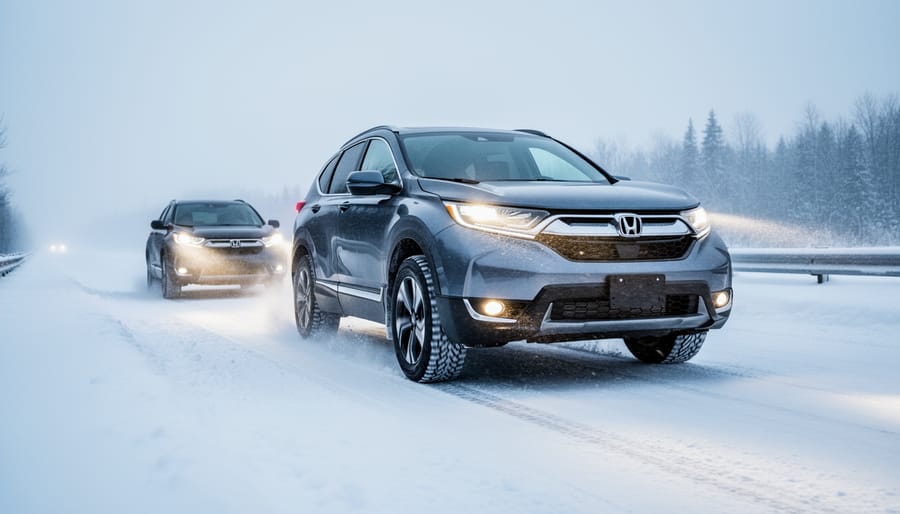
The best cars for winter driving in Canada combine all-wheel drive or four-wheel drive capability with advanced traction and stability systems, high ground clearance, and winter-tuned features like heated seats and remote start. While AWD sedans and crossovers handle most Canadian winters reliably, buyers in rural areas or mountainous regions should prioritize full-size SUVs or trucks with proper winter tires to handle deep snow and ice.
Canadian winters demand more from vehicles than simple cold-weather durability. Between November and March, drivers face black ice, whiteout conditions, freezing rain, and snow accumulation that can exceed 30 centimeters overnight in cities like Montreal, Winnipeg, and Calgary. The right vehicle choice can mean the difference between confident, safe commuting and white-knuckle anxiety every time the forecast calls for snow.
The challenge is that marketing claims rarely align with real-world winter performance. Manufacturers label nearly every crossover as “winter-ready,” but ground clearance, weight distribution, and electronic safety systems vary dramatically between models. A compact crossover with 150 millimeters of clearance will struggle in unplowed parking lots where a body-on-frame SUV with 220 millimeters cruises through effortlessly.
This guide cuts through the noise by examining what actually makes a vehicle capable in winter conditions, comparing drivetrains and vehicle types based on measurable winter performance, and recommending specific 2026 models across different budgets. Whether you’re replacing a rear-wheel-drive sedan that left you stranded last February or upgrading from an aging AWD system, you’ll find practical criteria to evaluate your options and common pitfalls that trap inexperienced winter car buyers.
What Makes a Car Good for Winter Driving
A good car for winter driving combines several mechanical and technological features that work together to keep you safe and mobile during Canadian winters. While no single factor guarantees winter capability, vehicles that excel in snow and ice share common characteristics you can evaluate before making a purchase decision.
Drivetrain configuration forms the foundation of winter performance. All-wheel drive (AWD) and four-wheel drive (4WD) systems distribute power to all four wheels, providing superior acceleration and hill-climbing ability on slippery surfaces compared to two-wheel drive configurations. However, front-wheel drive (FWD) vehicles often outperform rear-wheel drive (RWD) cars in winter conditions because the engine’s weight over the driven wheels improves traction. The drivetrain matters most when you’re starting from a stop or climbing hills, every system provides equal braking ability, which is where tires make the difference.
Ground clearance determines whether you’ll push through snowdrifts or get stuck. Vehicles with at least 8 inches of clearance can navigate unplowed parking lots and residential streets after heavy snowfall, while lower cars risk getting high-centered on snow accumulation. This explains why crossovers and SUVs dominate Canadian winter roads.
Weight distribution affects handling predictability. A balanced front-to-rear weight split helps maintain control during turns and lane changes on slick roads, while vehicles with heavy rear ends (like some pickup trucks without bed weight) can lose traction more easily.
Modern safety technology acts as your electronic co-pilot. Electronic stability control (ESC) automatically applies individual brakes to prevent skids, while traction control prevents wheel spin during acceleration. Advanced systems include winter driving modes that adjust throttle response and shift patterns for slippery conditions, plus hill descent control for steep, icy grades. These technologies can’t override the laws of physics, but they help average drivers maintain control in situations that would have caused accidents in older vehicles.
Key Buying Factors for Winter Performance
Drivetrain: AWD vs. FWD vs. RWD
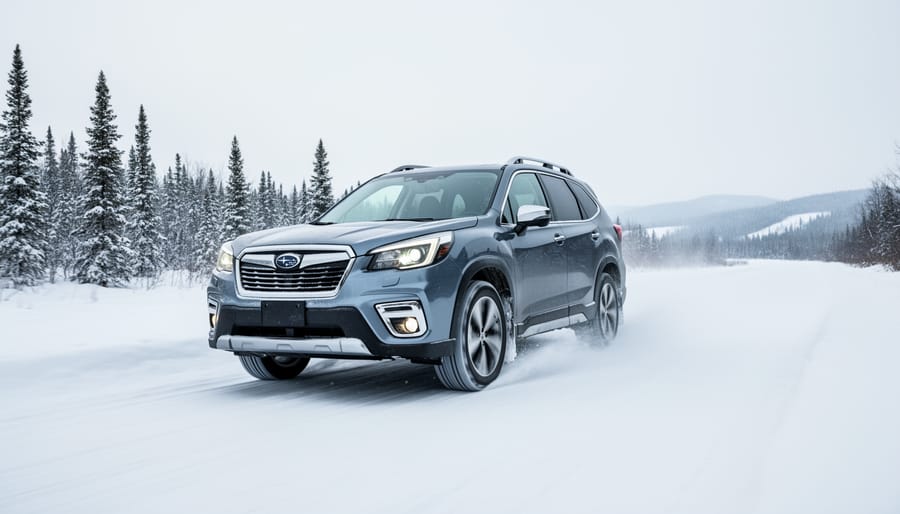
All-wheel drive dominates winter car conversations in Canada, but it’s not the only viable option, and it’s not a substitute for winter tires. Each drivetrain configuration offers distinct trade-offs that matter when you’re navigating icy highway stretches or snowbound residential streets.
Front-wheel drive (FWD) is the most common and often underrated winter setup. Because the engine sits over the driven wheels, FWD cars benefit from weight pressing down where traction happens, at the front axle that both steers and propels the vehicle. This natural traction advantage makes FWD sedans and hatchbacks surprisingly capable in snow, provided they wear proper winter tires. The main limitation appears when accelerating uphill on ice or driving through deep, unplowed snow where front-heavy weight distribution can cause the rear end to feel light and unstable.
Rear-wheel drive (RWD) struggles most in winter conditions. With power going to the back wheels while weight concentrates up front, RWD vehicles fishtail easily when accelerating and lose grip on inclines. Some drivers add sandbags in the trunk for ballast, but this remains a compromise solution. RWD works best for drivers with short commutes, access to well-maintained roads, or those who rarely face severe winter weather.
All-wheel drive (AWD) and four-wheel drive (4WD) provide the most winter confidence by distributing power to all four corners. AWD systems engage automatically, making them seamless in everyday driving, while traditional 4WD (common in trucks) requires manual selection and delivers better low-speed crawling ability through deep snow, 4WD performance shines when roads disappear entirely. The critical misconception: AWD helps you go, not stop. Braking and cornering depend entirely on tire grip, not drivetrain.
Traction and Stability Technology
Modern safety electronics transform how cars handle winter conditions. While all-wheel drive gets the marketing attention, the invisible systems that keep your vehicle stable on ice often matter more for everyday winter driving in Canada.
ABS and stability control have been mandatory on new vehicles since 2012, but their effectiveness varies by implementation. Anti-lock braking prevents wheel lockup during hard stops on slippery surfaces, letting you maintain steering control while braking. Electronic stability control (ESC) goes further by detecting when the car starts to slide sideways or spin, then selectively braking individual wheels to pull you back on course. In testing, ESC reduces single-vehicle crashes by up to 49 percent in winter conditions.
Traction control stops wheel spin during acceleration by cutting engine power or applying brakes to spinning wheels. This helps you pull away from stop signs on ice without fishtailing, though it can’t create grip that isn’t there. Some drivers familiar with techniques like road course traction management instinctively disable it in deep snow where controlled wheel spin helps dig down to pavement.
The newest advantage is winter-specific driving modes, now standard on many crossovers and SUVs. These modes recalibrate throttle response, transmission shift points, and stability intervention thresholds for snow and ice. They typically start the vehicle in second gear to reduce wheelspin and allow more slip before intervening. When comparing vehicles, test whether the winter mode activates automatically based on temperature and conditions or requires manual selection each drive.
Ground Clearance and Body Style
Ground clearance becomes critical when navigating unplowed streets after overnight snowfall or tackling rural roads where snow removal isn’t immediate. Vehicles with at least 8 inches of clearance can push through deeper accumulations without high-centering, while lower cars risk getting stuck when snow builds up under the chassis.
The body style matters beyond just ride height. Crossovers and SUVs offer better approach angles that help climb over snow banks at driveway entrances or parking lot berms. Their squared-off front ends also prevent snow from packing into wheel wells as readily as sloped sedan designs. Short overhangs front and rear reduce the chance of scraping when transitioning from plowed roads to deeper snow.
Weight distribution plays into this equation too. Taller vehicles with higher centers of gravity can feel less stable in crosswinds on icy highways, though modern stability control largely compensates for this. Meanwhile, sedans with good ground clearance for their class, typically 6 to 7 inches, work fine for urban winter driving where plows run regularly, but struggle in rural areas where you might face 10 inches of fresh snow between your garage and the nearest cleared road.
Heating, Visibility, and Comfort Features
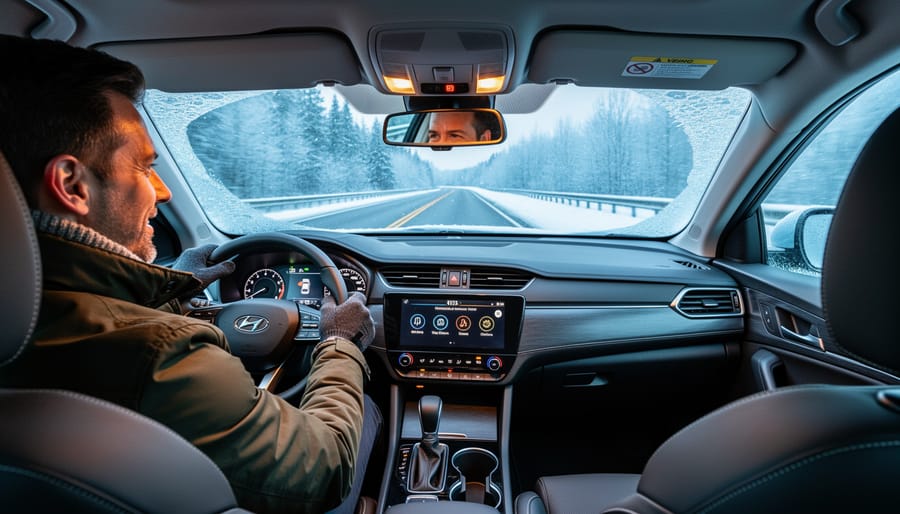
Canadian winters demand more than just mechanical capability, comfort and visibility features directly impact safety and usability during months of subzero temperatures and limited daylight. Heated seats and steering wheels aren’t luxuries; they reduce driver distraction caused by cold discomfort and eliminate the temptation to drive before the cabin warms up. Defrosting systems that clear windshields and rear windows quickly are critical for maintaining sightlines in freezing rain and snow, while heated mirrors prevent ice buildup that creates dangerous blind spots during lane changes.
Remote start and cabin pre-conditioning technology have become essential winter features, allowing you to warm the interior and defrost windows before entering the vehicle. This capability matters particularly in parking lots and driveways where idling laws restrict how long you can run a car unattended. Look for systems that integrate with smartphone apps for maximum convenience. Heated windshield washer nozzles prevent freezing that leaves you unable to clean road salt spray at highway speeds, a common winter hazard on Canadian roads where visibility can deteriorate in seconds.
Types of Vehicles Compared for Winter Driving
Compact and Midsize Sedans
Compact and midsize sedans with front-wheel drive offer reasonable winter capability at an affordable price point, making them practical choices for urban and suburban Canadian drivers who face regular snow but not extreme backcountry conditions. The front-engine, front-drive layout puts engine weight directly over the driving wheels, providing natural traction that outperforms rear-wheel drive sedans on slippery surfaces. Models like the Honda Accord, Toyota Camry, and Mazda6 deliver predictable handling in snow when equipped with winter tires, and their lower centres of gravity enhance stability during lane changes on icy highways.
The primary limitation is ground clearance, typically 5 to 6 inches, which means deep, unplowed snow can cause sedans to bottom out or lose momentum. Steep residential driveways after heavy snowfall present challenges that crossovers handle more easily. Sedans also accumulate snow around wheel wells faster than taller vehicles, sometimes requiring clearing to prevent ice buildup that affects steering. Despite these constraints, sedans excel in cleared winter driving conditions: their lighter weight reduces stopping distances compared to heavier SUVs, and narrower profiles make navigating snow-narrowed city streets simpler.
Crossovers and SUVs
Crossovers and SUVs dominate Canadian winter roads for good reason. Their elevated seating position improves visibility through snow and sleet, while higher ground clearance (typically 7 to 10 inches) handles unplowed parking lots and snowbank-lined streets that would stop a sedan. Most come standard with AWD, though you’ll want to verify this rather than assume it.
Compact crossovers like the Mazda CX-5 and Honda CR-V offer the best balance for city dwellers. They’re maneuverable in tight winter parking spots, fuel-efficient for daily commutes, and their lighter weight means less momentum to control on ice. Ground clearance usually sits around 8 inches, enough for most urban winter scenarios.
Midsize SUVs such as the Toyota Highlander or Jeep Grand Cherokee add cargo space and towing capacity without sacrificing winter capability. Their extra weight can actually improve traction in deep snow, though it demands more stopping distance on ice. Expect 8 to 9 inches of clearance and more robust AWD systems.
Full-size SUVs like the Chevrolet Tahoe excel in rural areas with harsh winters and long commutes. They plow through deep drifts and offer genuine off-road capability, but their size makes them cumbersome in urban environments and parking garages. Fuel costs climb significantly, something to factor into your total ownership budget.
Pickup Trucks
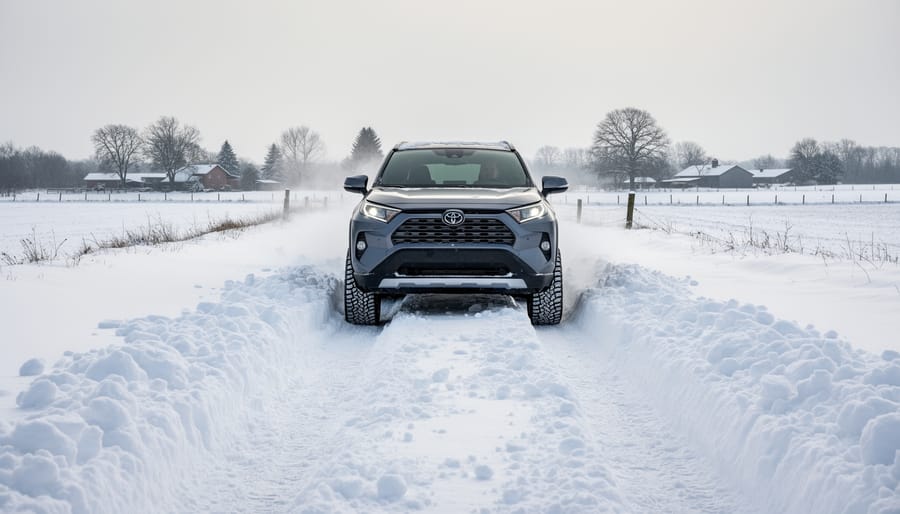
Pickup trucks offer significant winter advantages but demand careful consideration. Four-wheel drive (4WD) systems excel on unplowed roads and deep snow, providing superior traction when engaged. Modern trucks typically feature selectable 4WD with low-range gearing for extreme conditions common in rural Canadian winters.
The major drawback is rear weight distribution. An empty truck bed creates light rear-end weight, causing the driven rear wheels to spin easily on ice and snow when in 2WD mode. Adding sandbags or ballast over the rear axle improves traction substantially. Full-size trucks like the Ford F-150 and Ram 1500 now offer advanced truck handling tips through integrated stability systems that help manage this weight imbalance.
Midsize trucks such as the Toyota Tacoma and Chevrolet Colorado provide better maneuverability in urban winter conditions while maintaining capable 4WD systems. Ground clearance ranges from 8 to 11 inches across most trucks, easily clearing snow accumulation that stops sedans. Heated mirrors and larger windshields aid visibility during blizzards, though trucks can feel top-heavy in crosswinds on icy highways.
Hatchbacks and Wagons
Hatchbacks and wagons often surprise buyers with their winter capabilities. Their lower centre of gravity improves stability on icy roads, and front-wheel drive paired with balanced weight distribution delivers predictable handling in snow. Models like the Subaru Impreza hatchback and Volkswagen Golf Alltrack combine this inherent balance with good ground clearance for a Canadian winter, making them practical alternatives to larger vehicles. Cargo space behind the rear seats means you can add weight over the drive axle when needed, further boosting traction. The compact footprint also makes parking in tight snow-cleared spots easier, while heated rear hatches defrost quickly for better visibility.
Recommended Good Cars for Winter Driving in 2026
Here are the top vehicle choices for winter driving in 2026, selected for proven capability in Canadian conditions across different budget ranges and use cases.
Budget-Friendly Winter Performers
The 2026 Subaru Crosstrek remains a standout choice for buyers prioritizing value and winter capability. Its standard symmetrical all-wheel drive, 8.7 inches of ground clearance, and low center of gravity deliver confident handling on snow-covered roads without breaking the bank. The Mazda CX-30 AWD offers slightly sportier handling with comparable ground clearance and excellent visibility, while heated seats and a heated steering wheel come standard on most trims.
For sedan buyers, the Honda Civic with available AWD combines fuel efficiency with genuine winter traction. Its low-speed traction control mode helps manage wheelspin in parking lots and at intersections where compact cars typically struggle.
Family-Focused Crossovers and SUVs
The 2026 Honda CR-V and Toyota RAV4 continue to dominate Canadian driveways for good reason. Both offer standard AWD on most trims, spacious cabins with heated second-row seats, and enough ground clearance (around 8.6 inches) to handle unplowed subdivision streets. The RAV4’s available heated steering wheel and power liftgate make winter school runs more manageable when hands are full.
The Mazda CX-5 deserves mention for drivers who want refinement alongside winter capability. Its i-Activ AWD system proactively adjusts torque distribution based on road conditions, and the heated wiper park position prevents overnight ice buildup on the windshield.
Truck Capability
The 2026 Ford F-150 with available 4WD and Pro Trailer Backup Assist handles both winter driving and towing winter toys. Adding sandbags or salt bags over the rear axle improves traction when the bed is empty. The GMC Sierra’s available MultiPro tailgate and rear camera washer maintain functionality even when road salt accumulates.
Luxury and Performance Options
- Audi Q5, Quattro AWD with torque vectoring, heated washer nozzles, and available air suspension for ground clearance adjustment
- Volvo XC60, Pilot Assist with winter-tuned calibration, heated wiper blades, and comprehensive blind-spot monitoring in low-visibility conditions
- BMW X3 xDrive, Performance-oriented AWD with winter driving mode, heated everything including armrests, and excellent headlight technology for dark mornings
- Subaru Outback Wilderness, Maximum ground clearance (9.5 inches), dedicated X-Mode with snow/dirt setting, and heated seats in all three rows
Each of these luxury options adds heated exterior mirrors that automatically activate below certain temperatures and rain-sensing wipers that distinguish between rain and snow.
Electric Vehicle Consideration
The 2026 Tesla Model Y Long Range deserves consideration despite range reduction in cold weather. Its dual-motor AWD provides instant traction control, cabin pre-heating doesn’t idle an engine, and the low center of gravity from floor-mounted batteries aids stability. Schedule charging during off-peak hours to offset the 20-30% range loss typical in Canadian winters.
Test drive your finalists in actual winter conditions if possible. A vehicle that feels confident in July may reveal handling quirks once snow flies.
Common Mistakes to Avoid When Choosing a Winter Car
Many buyers make the mistake of believing all-wheel drive alone makes a vehicle winter-ready. AWD helps you accelerate and maintain momentum on slippery surfaces, but it does nothing to help you stop or corner on ice. A front-wheel drive car with dedicated winter tires will outperform an AWD vehicle on all-seasons in virtually every winter scenario.
Another common error is prioritizing style over function. That sleek, low-profile sedan might look great, but if you routinely navigate unplowed streets or rural roads after snowfall, insufficient ground clearance will leave you stuck. Consider your actual driving environment, not just your ideal conditions.
Buyers also frequently underestimate the importance of visibility features. Heated side mirrors, a heated windshield, and powerful defrosters aren’t luxury conveniences, they’re safety essentials when frost, snow, and ice constantly obstruct your view. A car with marginal heating and defrost systems becomes genuinely dangerous in Canadian winters.
Ignoring weight distribution is another pitfall, particularly with pickup trucks. An empty truck bed creates a rear-heavy imbalance that makes the vehicle prone to fishtailing on ice. If you’re buying a truck primarily for winter use, plan for adding ballast or consider how payload will affect handling.
Finally, some buyers dismiss the value of developing proper winter driving skills. Even the most capable vehicle won’t prevent accidents if you don’t understand how to brake on ice, correct a skid, or judge stopping distances in snow. The best car for winter driving is one matched to both the conditions you face and your ability to handle challenging weather safely.
Frequently Asked Questions
Do I need AWD for winter driving in Canada?
No, AWD is not mandatory for winter driving. A front-wheel drive car with proper winter tires will outperform an AWD vehicle on all-season tires in snow and ice. AWD helps with acceleration and climbing hills, but it doesn’t improve braking or cornering grip.
Are winter tires actually required for good winter performance?
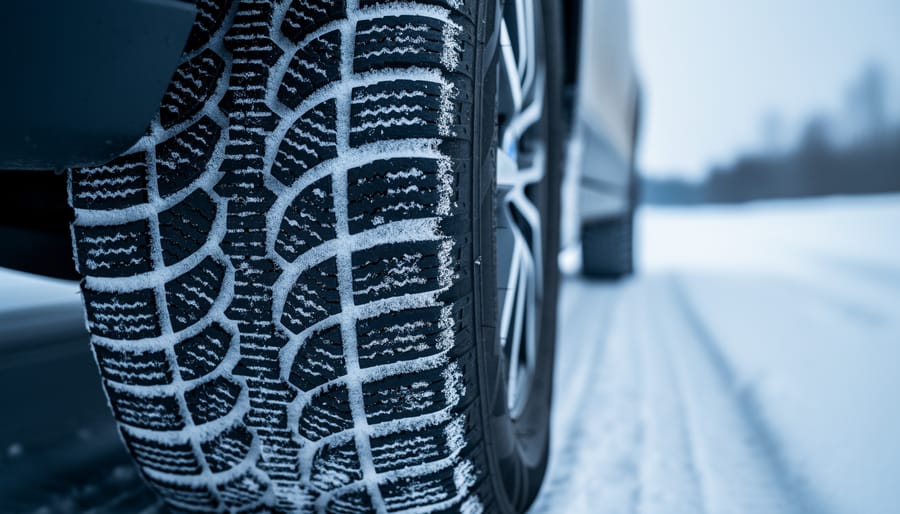
Yes, winter tires are non-negotiable regardless of your vehicle choice. They remain flexible in cold temperatures below 7°C and provide dramatically better traction than all-season tires on snow, ice, and cold pavement. Quebec legally requires them, and they transform any vehicle’s winter capability.
What’s the minimum ground clearance I need for Canadian winters?
For urban driving with regular plowing, 6-7 inches of ground clearance is adequate. Rural areas or regions with heavy snowfall benefit from 8-9 inches or more. Consider your specific region’s snow depth and how quickly roads get cleared when evaluating clearance needs.
Should I buy a new or used vehicle for winter reliability?
Used vehicles can be excellent winter options if properly maintained, particularly models known for durability like Subarus or Toyota RAV4s. Check for rust on the undercarriage, ensure all heating and defrosting systems work properly, and verify that stability control and ABS function correctly before purchasing.
Beyond these fundamentals, many drivers wonder how vehicle weight affects winter traction. Heavier vehicles generally provide better grip in deep snow, but weight distribution matters more than total mass. A lighter car with balanced weight and winter tires often handles better on icy roads than a heavy truck with poor weight over the drive wheels.
Maintenance becomes particularly critical for winter driving. Battery capacity drops in extreme cold, so test yours before winter arrives. Engine block heaters prevent cold-start strain and improve cabin heating. Keep washer fluid topped up with winter-rated solution, and check that your defroster works at full capacity.
Some buyers ask whether performance driving skills matter for winter conditions. Advanced car control techniques, similar to those taught in racing driver training can significantly improve your ability to handle slides and recover from loss of traction, though safe winter driving prioritizes smoothness and patience over performance.
Choosing a good car for winter driving comes down to matching the right combination of features to your specific Canadian climate and driving patterns. The most winter-capable vehicles balance capable drivetrains with adequate ground clearance, modern stability technology, and comfort features that make harsh conditions bearable. AWD provides an advantage in acceleration and hillside traction, but it won’t help you stop or steer on ice without proper tires and driver skill.
Your budget, family size, and typical routes matter as much as the spec sheet. A compact crossover with 8 inches of clearance and heated everything might serve an urban commuter better than a full-size truck, while someone facing frequent rural whiteouts needs different capabilities entirely. Test drive your shortlisted vehicles in actual winter conditions if timing allows. Pay attention to visibility, how quickly the cabin warms, and whether the controls feel intuitive with gloves on.
No matter which vehicle you choose, proper winter tires remain non-negotiable for Canadian driving. Even the most advanced AWD system with every electronic aid can’t overcome the physics of all-season rubber on ice. Factor dedicated winter rubber into your total ownership cost from day one. The best winter car is the one that gives you confidence when the temperature drops and the roads turn white, combining the practical features you’ve researched with the real-world performance you’ve verified.