
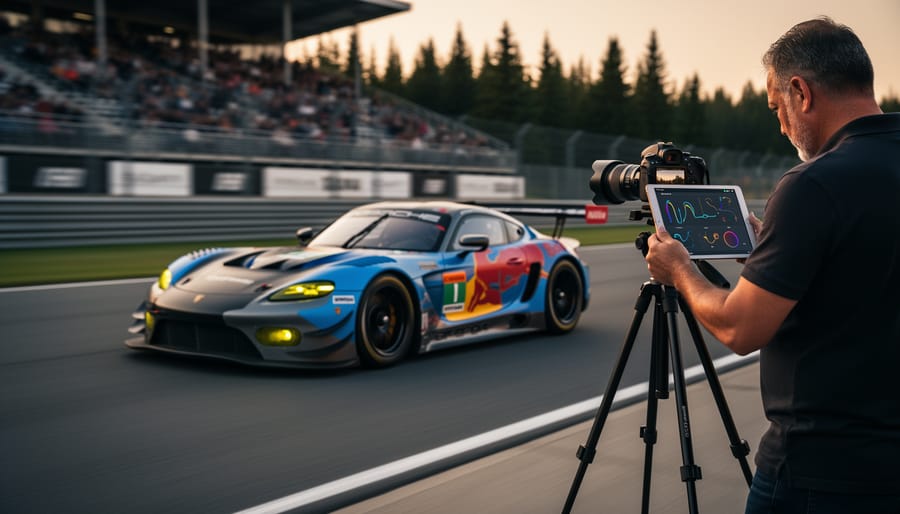
Capture motorsport images at Canadian tracks like Canadian Tire Motorsport Park or Circuit Mont-Tremblant, then leverage AI photo editing tools to transform raw shots into professional-grade content within minutes instead of hours. Modern AI-powered editors analyze racing photography’s unique challenges—motion blur from high-speed subjects, difficult lighting conditions during early morning practice sessions, and cluttered paddock backgrounds—then automatically apply corrections that once required advanced Photoshop skills. Select AI tools that specialize in automotive photography features: intelligent subject isolation to emphasize race cars against busy grandstands, automated color grading that enhances vehicle liveries without oversaturating track surfaces, and motion enhancement filters that add dynamic energy while maintaining technical accuracy.
Canadian motorsport photographers now access these technologies through both subscription-based platforms and standalone software, with many offering specialized presets for racing conditions common at our circuits. These tools include advanced car background remover capabilities that cleanly separate vehicles from distracting elements, allowing you to replace trackside advertising or environmental clutter with clean backgrounds that highlight the machinery and action. This technology democratizes professional-quality editing for club racers, amateur photographers, and established professionals alike.
Why Motorsport Photography Needs Specialized Editing
Motorsport photography presents unique challenges that set it apart from conventional automotive or sports photography. Capturing vehicles racing at speeds exceeding 200 km/h at Canada’s top racing courses requires not only technical skill but also sophisticated post-processing techniques to bring out the intensity and energy of the moment.
Motion blur represents one of the most significant hurdles. While controlled blur can convey speed and drama, unwanted blur from camera shake or improper panning technique can ruin otherwise compelling shots. Traditional editing software requires time-consuming manual adjustments to salvage these images, often with mixed results.
Lighting conditions at Canadian racing venues add another layer of complexity. Photographers must contend with dramatic variations throughout the day, from harsh midday sun creating extreme shadows to overcast conditions that flatten images. Indoor facilities and evening events introduce artificial lighting challenges, with mixed color temperatures and rapid transitions between light and shadow as cars navigate the track.
The fast-paced nature of motorsport means photographers often capture hundreds or thousands of images during a single event. Processing this volume manually becomes impractical, especially when clients expect quick turnaround times for social media, press releases, or promotional materials. Race teams and sponsors need images within hours, not days.
Traditional editing methods fall short because they rely heavily on manual intervention. Adjusting exposure, correcting white balance, reducing noise, and enhancing details across hundreds of photos becomes tedious and time-consuming. Batch processing helps with basic adjustments but cannot intelligently adapt to the varying conditions within each individual image, leaving photographers struggling to deliver both quantity and quality under tight deadlines.
What AI Car Photo Editors Actually Do
Automated Background Enhancement
AI background removal technology has revolutionized how photographers handle challenging track environments at Canadian venues like Canadian Tire Motorsport Park and Circuit Mont-Tremblant. These systems intelligently identify and isolate racing subjects from busy backgrounds, removing distracting elements like safety barriers, trackside advertising, or spectator crowds while preserving the essential environmental context that tells the story.
Advanced algorithms analyze depth information and motion blur to distinguish between the primary subject and background elements. For Canadian motorsport photographers, this means AI can automatically enhance the dramatic backdrops of facilities like Area 27 in British Columbia, adjusting weather conditions, sky detail, and lighting to complement the action. The technology maintains authenticity while eliminating unwanted elements, saving hours of manual editing work and ensuring consistent results across large photo collections from race events.
Motion Blur and Sharpness Optimization
Modern AI motorsport photo editors excel at solving one of racing photography’s toughest challenges: balancing sharpness with motion blur. These intelligent systems can identify the vehicle as the primary subject and apply selective sharpening to maintain crisp details on the car’s body, sponsor logos, and driver helmet, while preserving or even enhancing the artistic motion blur in wheels and background elements that convey speed.
For Canadian photographers capturing action at Mosport or Circuit Mont-Tremblant, this technology means less time manually masking subjects in traditional editing software. The AI analyzes each frame to distinguish between intentional motion blur (which adds drama and energy) and unwanted camera shake blur (which degrades image quality). Advanced algorithms can even recover detail from slightly soft images caused by challenging focus conditions during fast-paced races.
This selective enhancement approach respects the artistic intent behind panning shots while ensuring commercial viability for images destined for team sponsors, automotive publications, or professional portfolios. The result is technically sound photographs that still capture the visceral excitement of motorsport.
Color Correction and HDR Processing
AI-powered color correction tools have become essential for Canadian motorsport photographers working in challenging lighting environments. These systems analyze images captured at venues like Canadian Tire Motorsport Park or Circuit Gilles Villeneuve, automatically adjusting exposure, contrast, and color balance to reveal crucial details that might be lost in raw files.
Modern AI algorithms excel at recovering sponsor livery colors—critical for professional motorsport photography—even when vehicles are photographed under mixed lighting conditions or in shadows. The technology recognizes automotive-specific elements like metallic paint finishes, carbon fiber textures, and reflective surfaces, applying targeted corrections that preserve the authentic appearance of race cars.
HDR processing through AI platforms merges multiple exposures intelligently, creating balanced images that showcase both brightly lit track sections and darker pit areas without the artificial look of traditional HDR. For photographers covering events at varying times—from bright afternoon qualifying sessions to dusk endurance races—these automated tools save considerable post-production time while maintaining consistency across large photo sets, allowing more focus on capturing action rather than endless editing.
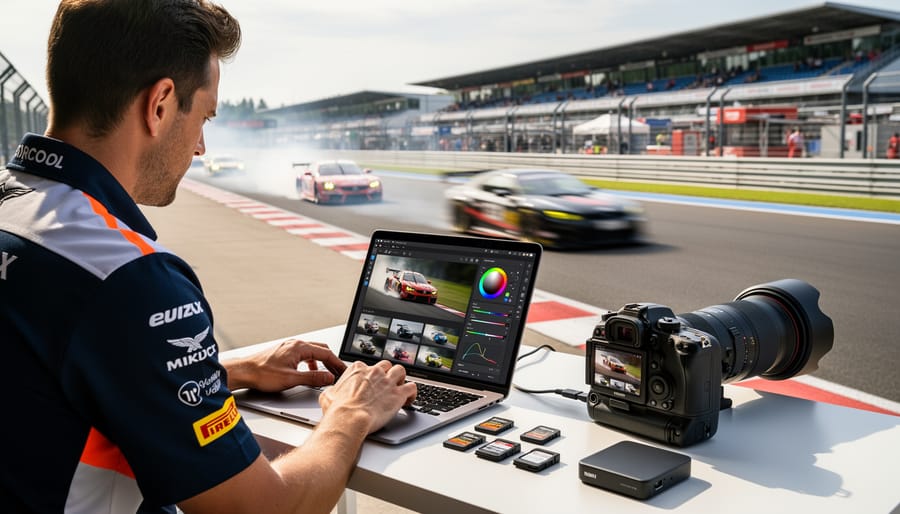
Top AI Photo Editing Tools for Canadian Motorsport Photographers
Adobe Lightroom with AI Features
Adobe Lightroom remains the industry standard for professional motorsport photographers across Canada, and its AI-powered features have significantly streamlined the editing workflow for racing imagery. The platform’s AI masking tools use machine learning to automatically detect and select specific elements in your photos—particularly useful for isolating race cars from complex backgrounds at tracks like Canadian Tire Motorsport Park or Circuit Mont-Tremblant.
The Select Subject and Select Sky features work remarkably well with motorsport photography, automatically identifying vehicles and allowing for precise adjustments to exposure, color grading, and sharpness without affecting the surrounding environment. Lightroom’s AI-driven noise reduction and detail enhancement prove especially valuable when working with high-ISO shots from evening races or challenging lighting conditions common at Canadian circuits.
Canadian photographers benefit from seamless Creative Cloud integration, enabling smooth transitions between Lightroom and Photoshop for more complex edits. The software’s catalog system efficiently handles large batches of racing photos, while AI-powered presets can be customized for specific lighting conditions at different tracks. Subscription pricing starts at $11.99 CAD monthly, making it accessible for both amateur and professional motorsport photographers. The platform’s mobile app allows on-site editing at race events, with changes syncing across devices—a practical advantage for photographers covering Canadian racing series who need to deliver images quickly.
Topaz Photo AI
Topaz Photo AI stands out as a specialized solution for motorsport photographers dealing with the unique challenges of high-speed racing photography. This desktop application excels at recovering sharp details from motion-blurred images and eliminating noise from shots taken in challenging lighting conditions—common scenarios at Canadian tracks like Circuit Gilles Villeneuve during evening races or overcast sessions at Canadian Tire Motorsport Park.
The software employs dedicated AI models trained specifically on automotive subjects, which means it understands how to enhance car details like sponsor decals, wheel motion, and body lines without introducing artificial-looking artifacts. Its sharpening capabilities are particularly impressive for salvaging shots where autofocus didn’t quite lock onto fast-moving vehicles, a frequent frustration when photographing high-speed motorsport action.
What makes Topaz Photo AI valuable for Canadian motorsport photographers is its batch processing feature, allowing you to apply consistent noise reduction and sharpening across hundreds of race weekend images efficiently. The tool integrates seamlessly with popular editing workflows through standalone operation or as a plugin for Adobe Lightroom and Photoshop. While it requires a one-time purchase rather than subscription, the investment pays dividends for photographers regularly shooting in demanding motorsport environments where image quality is paramount.
Luminar Neo and Other Alternatives
Beyond Adobe’s offerings, several alternatives cater specifically to motorsport photography needs. Luminar Neo stands out with its AI-powered relighting and atmosphere effects, particularly useful for correcting difficult track lighting conditions common at Canadian venues like Canadian Tire Motorsport Park. Its dust and scratch removal tools prove invaluable for cleaning sensor spots that often appear when shooting in dusty racing environments.
Cloud-based solutions like Pixlr and Photopea offer accessibility advantages for photographers working remotely from race events across Canada’s vast geography. These platforms provide AI background replacement and sky enhancement features without requiring high-end hardware, making them practical for trackside editing on laptops.
ON1 Photo RAW includes specialized masking tools and batch processing capabilities that streamline workflows when handling hundreds of shots from a single race weekend. Its AI noise reduction excels with high ISO images captured during evening races or indoor karting events.
For Canadian motorsport photographers prioritizing budget-friendly options, these alternatives deliver professional results without subscription commitments. Each platform offers unique strengths depending on your specific needs, whether that’s advanced sky replacement, efficient batch processing, or accessible cloud-based editing for on-the-go work between racing circuits.
Real-World Applications at Canadian Racing Events
Track Day and Amateur Racing Photography
Amateur photographers at Canadian grassroots racing events and track days are discovering that AI editing tools level the playing field against professional shooters. These hobbyists often capture thousands of images during a single event but previously lacked the time and expertise to process them efficiently. AI-powered software now handles tedious tasks like sorting through image sequences, removing background distractions, and enhancing details in challenging lighting conditions within minutes rather than hours.
For amateur photographers working trackside at venues like Atlantic Motorsport Park or Calabogie Motorsports Park, AI tools help compensate for equipment limitations. Budget-friendly cameras paired with AI upscaling and noise reduction deliver surprisingly professional results. The technology also enables quick turnaround times, allowing photographers to deliver edited galleries to drivers and teams within 24 hours of an event. This speed and quality combination has transformed many weekend warriors into sought-after contributors at local racing series, often charging affordable rates that reflect both professional standards and community-minded pricing.
Professional Motorsport Media Coverage
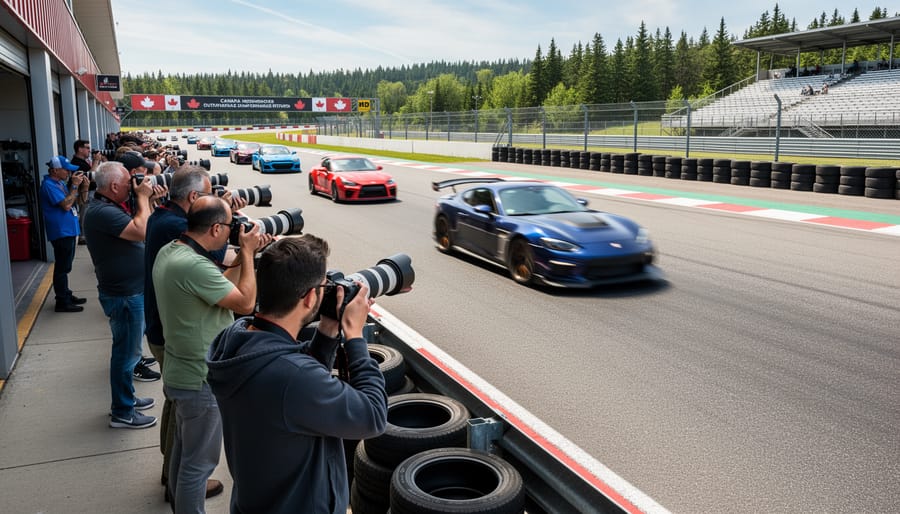
Canadian racing media outlets face constant pressure to deliver high-quality imagery within tight deadlines, particularly during multi-day events at venues like Canadian Tire Motorsport Park where race schedules run from dawn to dusk. Professional motorsport photographers are increasingly adopting AI-powered editing tools to streamline their workflows without compromising image quality.
These AI solutions handle repetitive tasks like batch color correction, noise reduction in low-light pit lane shots, and quick background cleanup, allowing photographers to focus on creative decisions. When covering events like the Canadian Touring Car Championship or regional karting series, media teams can now process hundreds of images in the time it previously took to edit dozens manually.
AI tools also help maintain consistency across photo galleries, automatically applying similar adjustments to related shots while preserving each image’s unique characteristics. This technology proves particularly valuable for freelance photographers working with multiple outlets, enabling them to deliver publication-ready files faster while maintaining the professional standards Canadian motorsport media demands.
Practical Workflow Tips for Motorsport Photo Editing
Successfully integrating AI tools into your motorsport photography workflow requires strategic planning and understanding of where these technologies deliver the most value. For photographers covering Canadian racing events, from Mosport to Circuit Gilles Villeneuve, here’s how to optimize your process.
Start by establishing a clear folder structure immediately after each race. Organize images by session type (practice, qualifying, race) and prioritize culling before applying AI enhancements. This prevents wasting processing time on shots you won’t use. Canadian motorsport events often involve varying light conditions throughout the day, so group similar lighting scenarios together for batch processing efficiency.
During the initial selection phase, use AI-powered culling tools to identify technically sound images based on sharpness, focus accuracy, and composition. These tools excel at quickly eliminating shots with motion blur or tracking errors, saving hours of manual review. For motorsport photography where you might capture thousands of frames during a weekend event, this automated first pass is invaluable.
Apply AI enhancements selectively rather than universally. Use background cleanup and noise reduction for hero shots destined for client portfolios or publication, while applying lighter edits to social media content. When working with Canadian outdoor venues, leverage AI sky replacement tools cautiously, ensuring enhancements maintain the authentic atmosphere of the event rather than creating unrealistic scenes.
Create custom presets within your chosen AI platform that reflect typical Canadian racing conditions. Save profiles for overcast days at Atlantic Motorsport Park or bright summer afternoons at Canadian Tire Motorsport Park. This preparation reduces editing time during busy race seasons.
Finally, maintain a hybrid workflow combining AI automation with manual refinement. While AI handles repetitive tasks like dust removal and basic color correction, reserve creative decisions about final color grading and dramatic adjustments for your own expertise, ensuring each image maintains your unique photographic signature.
Limitations and Considerations
While AI photo editors have revolutionized motorsport photography workflows, understanding their limitations remains crucial for Canadian photographers and journalists. These tools excel at repetitive tasks like batch processing, basic color correction, and noise reduction across hundreds of track-day images. However, they often struggle with complex lighting scenarios unique to Canadian motorsport venues, such as the challenging shadows at sunset races or the mixed lighting conditions at indoor karting facilities.
Human expertise remains irreplaceable for creative decisions that define compelling motorsport storytelling. AI cannot discern which moment truly captures the drama of a last-lap pass at Canadian Tire Motorsport Park or understand the narrative importance of specific vehicle details that matter to enthusiasts. Professional judgment is essential when deciding how much enhancement is appropriate without misrepresenting the actual scene.
Ethical considerations around authenticity present significant concerns for motorsport journalism. Canadian media professionals must maintain transparency about AI-enhanced images, particularly when covering competitive events where visual accuracy matters for technical analysis and race documentation. The line between enhancement and manipulation can blur easily, potentially compromising journalistic integrity.
AI algorithms also carry inherent biases based on their training data, which may not adequately represent Canadian motorsport contexts or diverse racing categories from grassroots events to professional series. Additionally, these tools require substantial learning curves and ongoing subscription costs, which smaller photography businesses or amateur enthusiasts should factor into their decision-making. Understanding these limitations helps Canadian motorsport photographers make informed choices about when to leverage AI assistance and when human creativity and judgment must take precedence.
AI-powered photo editing tools are fundamentally changing the landscape of motorsport photography across Canada, making professional-quality results accessible to enthusiasts at every skill level. From the hairpin turns of Circuit Mont-Tremblant to the street circuits of Toronto, these technologies enable photographers to capture the speed, drama, and technical beauty of Canadian racing with unprecedented efficiency. However, the democratization of advanced editing capabilities doesn’t diminish the importance of foundational photography skills. Understanding composition, lighting, timing, and the unique challenges of motorsport environments remains essential. AI tools excel at automating technical adjustments and solving common problems like motion blur or challenging lighting conditions, but they cannot replace the creative vision that distinguishes exceptional motorsport imagery from merely competent work.
As machine learning algorithms continue to evolve, we can expect even more sophisticated features tailored specifically for automotive photography. Canadian photographers who embrace these technologies while maintaining their artistic integrity and technical expertise will be best positioned to thrive. The future of motorsport photography lies not in choosing between human skill and artificial intelligence, but in leveraging both to push creative boundaries and capture the visceral excitement of Canadian racing culture.


