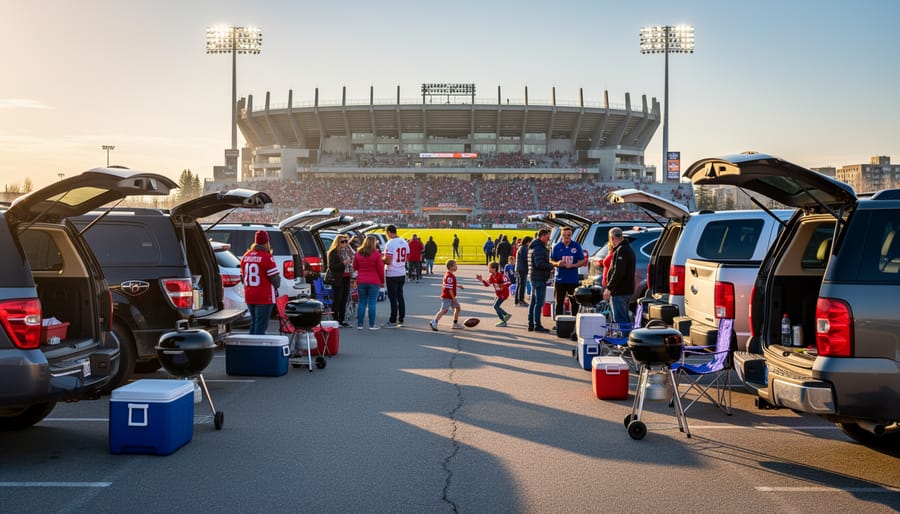
The Canadian Football League intersects with automotive culture in Canada far more significantly than most casual observers realize. From coordinated stadium parking logistics that handle tens of thousands of vehicles per game day to multimillion-dollar automotive sponsorships that shape both the league’s identity and manufacturers’ marketing calendars, the CFL functions as a major touchpoint between sports entertainment and the country’s car enthusiasts.
This relationship extends well beyond painted logos on field turf. CFL game days drive substantial automotive-related economic activity through tailgating culture, particularly in markets like Calgary, Edmonton, and Hamilton where truck and SUV ownership rates already run high. Automotive brands leverage CFL broadcast rights and stadium naming deals to reach highly engaged Canadian audiences, while dealerships coordinate sales events and test-drive programs around home game schedules. The league’s summer-through-fall calendar also aligns strategically with new model-year launches and end-of-season clearance periods that matter to both manufacturers and consumers.
For automotive professionals and enthusiasts tracking Canadian market trends, understanding the CFL’s role offers practical insight into regional consumer behavior, seasonal marketing cycles, and how sports properties influence vehicle purchasing decisions across different demographics. The connection isn’t superficial. It’s a lens into how Canadians actually use their vehicles for leisure, how regional identity shapes automotive preferences, and where significant sponsorship dollars flow in a country where football means something quite different than it does south of the border.
The 2026 CFL Season: Key Dates and What They Mean for Automotive Events
Grey Cup 113 in Calgary: A Convergence of Sports and Automotive Tourism
McMahon Stadium’s selection to host the 113th Grey Cup on November 15, 2026, represents a significant opportunity for Calgary’s automotive sector and infrastructure. When major sporting championships arrive in mid-sized Canadian cities, they create concentrated demand that ripples through the entire transportation ecosystem.
Calgary’s previous experience hosting large-scale sporting events demonstrates predictable patterns in automotive services. Rental car agencies typically see a 40-60% surge in bookings during championship weekends, with visitors preferring SUVs and crossovers capable of handling November weather conditions. This demand often leads agencies to reposition inventory from other Alberta markets weeks in advance, creating temporary shortages in Edmonton and Red Deer while Calgary lots overflow with premium and full-size vehicles.
Hotel parking infrastructure faces its most severe test during these events. Downtown Calgary properties within walking distance of shuttle routes command premium rates, but their parkades weren’t designed for championship-level occupancy. Properties near McMahon Stadium itself become automotive staging grounds, with overflow parking extending to nearby commercial lots. Smart hoteliers partner with local dealerships to manage these logistics, sometimes offering valet services that double as soft promotional opportunities for Canadian automotive brands.
The Grey Cup also creates a natural showcase environment for manufacturers. Sponsoring brands often arrange static displays in high-traffic areas around the stadium precinct, while dealerships run limited-time promotions tied to the event’s local economic impact. For automotive marketing teams, Grey Cup 113 details matter because they define the timeline for coordinating vehicle allocations, promotional materials, and staffing decisions months before kickoff.
These championship weekends essentially serve as stress tests for a city’s automotive tourism capacity, revealing which brands and services best understand Canadian winter sports logistics.
Tailgating Culture: Where Football Fandom Meets Automotive Passion
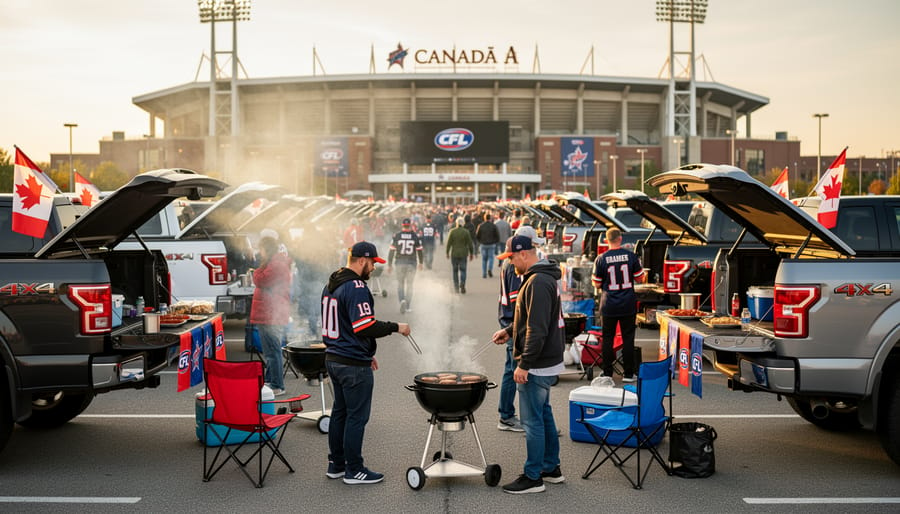
The parking lots surrounding CFL stadiums transform into rolling showcases of Canadian automotive culture every game day, where pickup trucks and SUVs become the centrepieces of elaborate pre-game celebrations. Fans arrive hours before kickoff, backing their vehicles into prime spots to create mobile command centres equipped for everything from grilling to streaming the league’s other games. This tailgating tradition has evolved into an unintentional automotive trade show, where vehicle capabilities are tested and displayed in real-world conditions that no dealership lot can replicate.
Full-size pickups dominate the CFL tailgating scene for practical reasons. The Ford F-150, Ram 1500, and Chevrolet Silverado consistently rank as the most popular choices, their bed lengths providing essential workspace for coolers, portable grills, and folding furniture. Crew cab configurations allow groups to shelter from unpredictable Canadian weather between the stadium and the parking lot, while factory-equipped bed liners protect against spills and scratches from repeated tailgate setups.
Vehicle features that excel in tailgating scenarios include:
- Extended or long truck beds (6.5 to 8 feet) for maximum setup space
- Integrated 120V power outlets or inverters to run televisions, blenders, and sound systems
- Multi-position tailgates with step functions for easier access and food preparation surfaces
- Built-in coolers in centre consoles or truck bed storage compartments
- Aftermarket tonneau covers that double as waterproof storage when closed
- LED bed lighting systems for evening games and late-season matchups
The aftermarket industry has responded to tailgating demand with products designed specifically for parking lot entertaining. Bed extenders increase usable space, hitch-mounted cargo carriers hold extra gear, and portable awnings attach to roof rails to create sheltered gathering spots. Some enthusiasts install marine-grade audio systems in their truck beds, while others add propane quick-connects for easier grill hookups.
Automotive manufacturers recognize CFL parking lots as organic marketing environments where potential customers see vehicles performing under real conditions. Regional dealerships sponsor fan zones adjacent to tailgating areas, positioning new models where attendees naturally congregate. Unlike controlled showroom environments, these settings demonstrate genuine utility, the cargo capacity of a Traverse hauling chairs for twelve people, or a Tundra’s power outlet running a flatscreen through three overtime periods.
How CFL Broadcasting and Sponsorships Connect to the Canadian Automotive Industry
Canadian Automotive Brands and CFL Team Partnerships
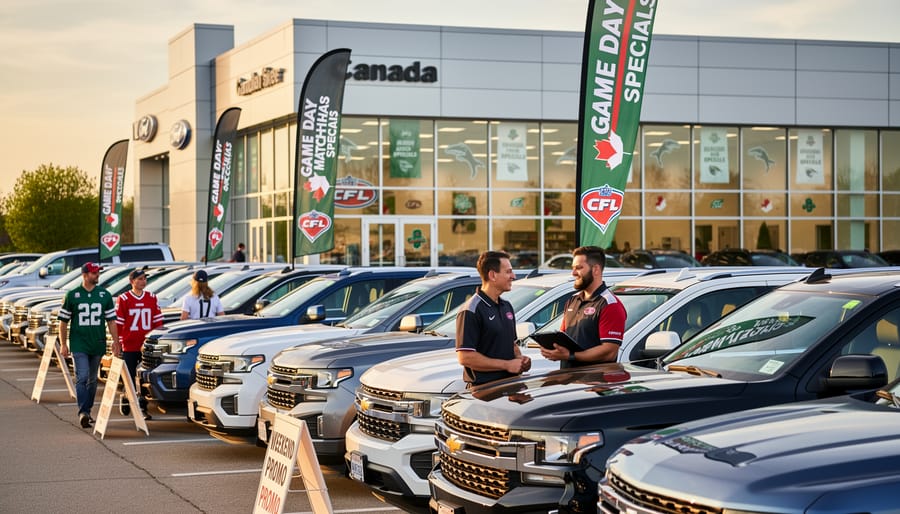
Automotive partnerships with CFL teams typically operate at three distinct levels: national brands that sponsor the league itself, regional dealership groups that align with specific franchises, and local automotive businesses that create grassroots connections through community initiatives. While comprehensive 2026 sponsorship rosters aren’t publicly finalized for all teams, historical patterns reveal how these relationships function.
National automotive manufacturers have long recognized the CFL’s value as a platform to reach Canadian consumers. Ford, for instance, has maintained relationships with multiple teams over the years, positioning trucks and SUVs alongside game-day experiences. These partnerships extend beyond stadium signage to include vehicle displays in concourses, test-drive events in parking lots, and branded content during broadcasts.
Regional dynamics matter considerably. A Saskatchewan Roughriders partnership might emphasize work trucks that resonate with the province’s agricultural economy, while a Toronto Argonauts tie-in could focus on crossovers and electric vehicles for urban buyers. Dealership groups frequently purchase season ticket blocks, host game-watch events at their locations, and offer team-branded promotions during the season.
Community-level partnerships create the most tangible connections. Local body shops sponsor youth football programs affiliated with CFL teams, tire retailers offer gameday discounts to season ticket holders, and automotive trade schools partner with teams for workforce development initiatives. These arrangements benefit both parties: teams gain authentic local support, while automotive businesses access a passionate customer base that overlaps significantly with vehicle ownership demographics. The CFL’s regional structure makes these partnerships particularly effective compared to more centralized sports leagues.
Motorsports Calendar Considerations: CFL’s Impact on Racing Schedules
The CFL’s June 4 to October 24 season window creates significant scheduling pressure for motorsports organizers across Canada. Track operators, sanctioning bodies, and event promoters must carefully plot their racing calendar to avoid direct conflicts with major football weekends, particularly playoff games in late October and the November 15 Grey Cup in Calgary. This consideration isn’t merely about attendance, it’s about sponsor activation budgets, media coverage bandwidth, and the reality that many automotive enthusiasts split their loyalty between racing and football.
Several Canadian tracks that host both racing series and community events adjust their programming around football. The strategic window typically falls in early May before the season kicks off, or stretches into November after the regular season concludes. For grassroots racing clubs with limited budgets, this becomes even more critical, a poorly-timed event can mean sparse grids and disappointed participants who chose the stadium over the track.
The situation intensifies in markets like Hamilton, Calgary, and Winnipeg where CFL teams enjoy devoted fanbases. Racing organizers in these cities treat home game dates as scheduling land mines, particularly Saturday afternoon games that would directly compete with traditional race-day time slots. The result is a delicate dance between two pillars of Canadian motorsports culture, each vying for the same passionate automotive audience’s limited summer weekends.
The Rule Changes Factor: Innovation in Sports Mirrors Automotive Evolution
Commissioner Stewart Johnston’s May 2026 announcement of rule changes for the current CFL season reveals something familiar to anyone who follows the automotive sector: organizations that refuse to adapt eventually get left behind. The league’s willingness to modify regulations mid-stride reflects the same iterative philosophy driving automotive manufacturers today.
When the CFL adjusts gameplay rules, they’re responding to player safety data, fan feedback, and competitive balance, the same three-legged approach automakers use when updating vehicle platforms. A regulation tweak that speeds up game flow mirrors how manufacturers continuously refine engine management software between model years, not just during complete redesigns. Both industries have learned that evolution beats revolution when you’re managing complex systems with passionate stakeholders.
The parallel extends to how changes roll out. The CFL’s September 2025 preview of 2026 rules gave teams months to adjust strategies and training protocols. Similarly, automotive safety mandates like Canada’s upcoming advanced braking requirements give manufacturers lead time to integrate technologies without disrupting production. This phased approach acknowledges that sudden transformations create chaos rather than progress.
Consider how both sectors balance tradition with innovation. The CFL maintains its distinctive three-down format and wider field while modernizing other aspects, just as truck manufacturers preserve capability and towing capacity while embracing digital transformation in infotainment and driver assistance. Neither industry abandons its core identity during the upgrade cycle.
The CFL’s regulatory adjustments also demonstrate responsive governance. When data suggests a rule creates unintended consequences, the league recalibrates, much like Transport Canada revising emissions testing procedures after real-world performance diverges from lab results. Adaptive regulatory frameworks serve both football fans and vehicle buyers better than rigid, outdated systems that ignore emerging realities.
The CFL’s presence in Canadian life extends well beyond the gridiron, shaping automotive culture in ways that matter to enthusiasts and industry professionals alike. From the moment the 2026 season kicked off on June 4, thousands of Canadians fired up their trucks and SUVs, loaded their tailgating gear, and headed to stadiums across the country. Those parking lots became informal showcases for vehicle capability, aftermarket accessories, and brand loyalty, a reality automotive manufacturers recognize and invest in through sponsorships, stadium advertising, and community partnerships that connect products directly to passionate regional fanbases.
The relationship runs deeper than marketing. Motorsports organizers navigate around CFL schedules to capture audience attention, understanding that overlapping events split the same demographic. Major games influence automotive tourism patterns, particularly around Grey Cup week when Calgary’s McMahon Stadium hosts the championship on November 15, creating opportunities for rental agencies, service centres, and local dealerships to capitalize on visitor volume.
What makes this intersection valuable isn’t forced connection, it’s organic alignment. Canadians who care about cars often care about football, and vice versa. Both industries thrive on performance, innovation, and regional pride. The CFL’s 2026 rule changes mirror automotive evolution: constant refinement responding to consumer expectations and competitive pressures. Understanding how these cultural threads weave together offers automotive professionals insight into Canadian consumer behaviour, marketing timing, and the shared values that drive purchasing decisions across both passion points.