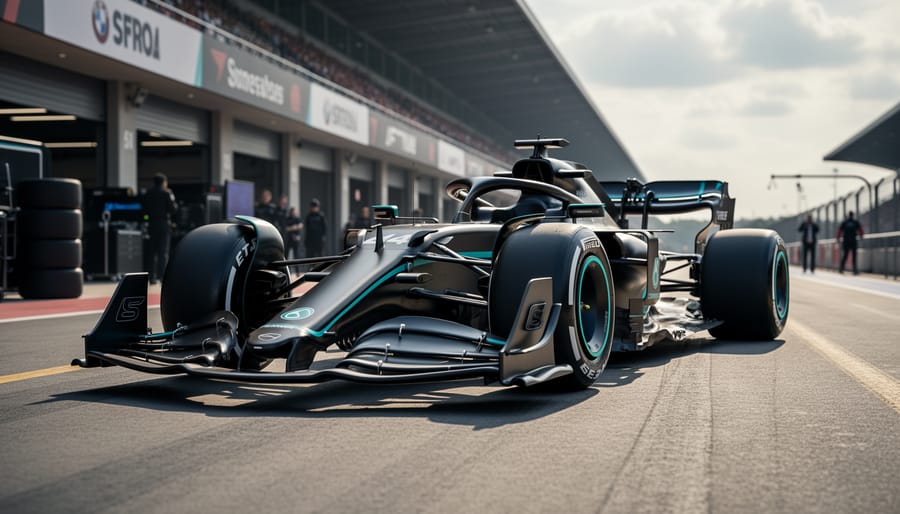
The 2026 FIA Formula One World Championship represents a pivotal season for the sport, running from the Australian Grand Prix on March 6-8 through to the Abu Dhabi finale December 4-6. This championship marks a crucial period for Formula 1 as teams and organizers navigate new technical regulations while maintaining the sport’s global appeal across 24 scheduled race weekends.
For Canadian motorsport enthusiasts, the headline date is May 22-24, when the Canadian Grand Prix returns to Circuit Gilles-Villeneuve in Montreal’s Parc Jean-Drapeau. The iconic island circuit continues to be a cornerstone of North American racing, offering one of the few opportunities for Canadian fans to experience the pinnacle of motorsport without international travel.
This season carries particular significance as teams adapt to evolving championship dynamics. Whether you’re planning to attend races in person or follow the action from home, understanding the calendar structure and ticket options is essential. The Formula 1 Ticket Store offers official three-day Grandstand and Terrace packages for each Grand Prix, a standardized approach that simplifies planning but requires advance commitment for the full weekend experience.
The championship’s current format reflects Formula 1’s continued growth trajectory, balancing traditional European venues with expanding global markets. For Canadian fans specifically, this season offers both the familiar excitement of the Montreal race and opportunities to engage with a sport that increasingly recognizes North American audiences as central to its commercial and competitive future.
What’s New in the 2026 FIA Formula One World Championship
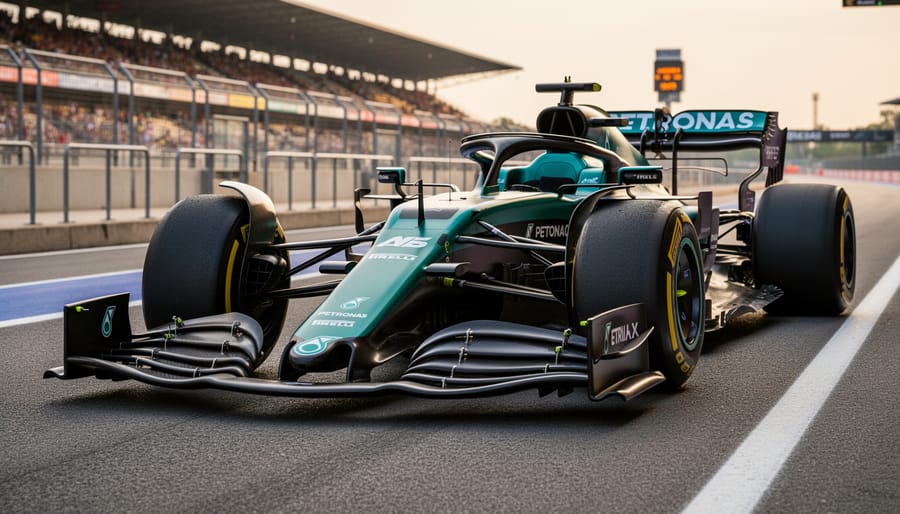
The 2026 Formula One World Championship introduces the most substantial technical overhaul the sport has seen in over a decade. These changes aren’t minor tweaks. They represent a fundamental rethinking of how F1 cars generate speed and how teams compete, with implications that extend far beyond the racetrack into the broader automotive industry.
At the heart of the transformation is an entirely new power unit formula. The hybrid engines will shift to a roughly equal split between internal combustion and electrical power output, with the electric component delivering significantly more than in current cars. This marks a clear pivot toward electrification while maintaining the combustion engine’s presence, a balance Formula 1 hopes will keep the sport relevant as road cars evolve.
The technical regulations also target aerodynamics and car design. New rules aim to reduce drag and downforce levels, which should make cars lighter and more nimble through corners. The governing body wants closer racing and more overtaking opportunities, addressing complaints that current regulations make it too difficult for drivers to follow each other closely. Whether this succeeds depends on how teams interpret the rulebook, but the intent is unmistakable.
These changes carry weight beyond lap times and podium positions. The power unit technology being developed for 2026 will filter into production vehicles, particularly as manufacturers push toward hybrid and electric powertrains. For Canada’s automotive sector, which includes significant parts manufacturing and engineering expertise, the innovations debuting in this championship matter. They represent testing grounds for technologies that will shape the cars Canadians drive.
The championship also serves as a proving ground for sustainable fuels. All cars will run on fuels with significantly reduced carbon content compared to traditional racing fuel, a shift that could accelerate similar developments in commercial aviation and transportation.
This isn’t just another F1 season with minor rule adjustments. It’s a deliberate effort to reposition the sport for the next era of motorsport and automotive technology.
The 2026 F1 Calendar: Key Dates for Canadian Fans
Canadian Grand Prix at Circuit Gilles-Villeneuve
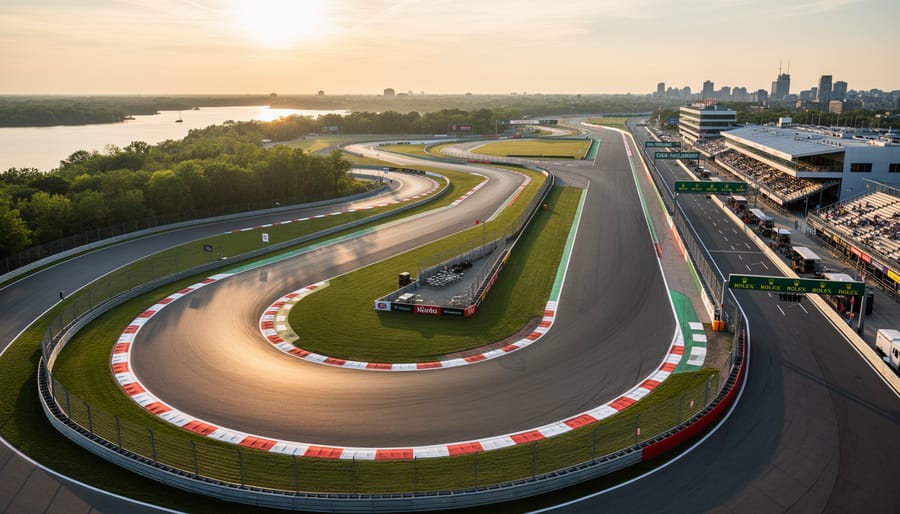
The Canadian Grand Prix returns to Circuit Gilles-Villeneuve for the May 22-24, 2026 race weekend, offering Canadian fans a chance to witness the sport’s most significant technical transformation in decades. Located on Île Notre-Dame in Parc Jean-Drapeau, the circuit has hosted Formula 1 since 1978 and remains one of the calendar’s most beloved venues.
Circuit Gilles-Villeneuve’s unique characteristics will take on new significance under 2026’s regulations. The track’s combination of heavy braking zones, chicanes, and the demanding Wall of Champions will test how the new power units handle energy recovery and deployment. The circuit’s stop-and-go nature traditionally rewards strong braking performance and traction, qualities that could prove critical as teams adapt to the radically different powertrains.
Montreal’s race weekend draws massive crowds and generates substantial economic impact for the city, cementing its status as a marquee event on the calendar. The 2026 edition carries added importance as teams debut their new machinery in a real-world environment that differs dramatically from the high-speed European circuits.
For Canadian fans planning to attend, official tickets through the Formula 1 Ticket Store are sold exclusively as 3-day packages for Grandstand and Terrace seating. This structure ensures access to all three days of track action, from Friday practice sessions through Sunday’s race, providing the full experience of watching teams navigate the challenges of this historic circuit.
How to Watch and Attend the 2026 Championship
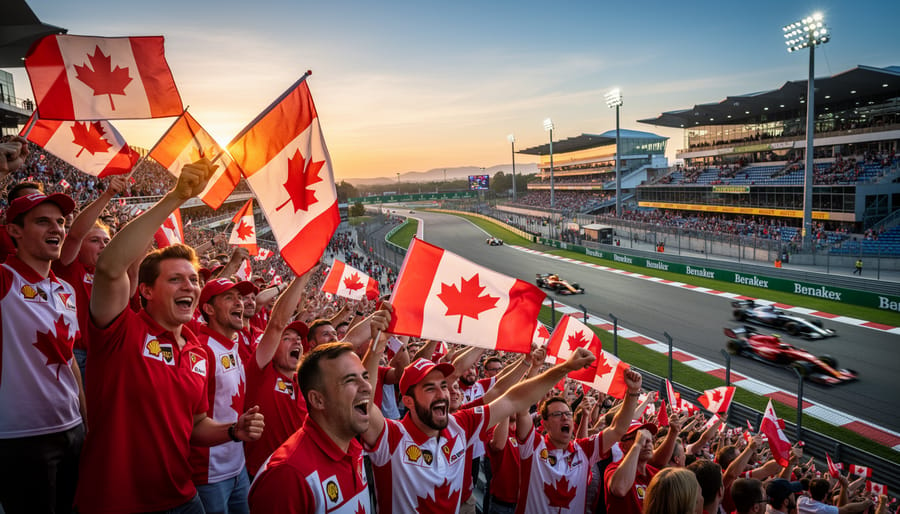
Canadian F1 fans have multiple options for experiencing the 2026 championship, whether watching from home or attending races in person. Understanding these viewing and attendance options helps you plan your season engagement effectively.
For broadcast viewing, Canadian fans can access live race coverage through traditional television providers and streaming platforms. Most broadcasters offer pre-race shows, live sessions including practice, qualifying and the main Grand Prix, plus post-race analysis. Check with your cable or satellite provider for specific channel availability, and consider streaming services that carry F1 coverage if you prefer watching on mobile devices or computers during the work week.
Attending a race in person delivers an unmatched experience, and the Canadian Grand Prix at Circuit Gilles-Villeneuve on May 22-24 offers the most convenient option for domestic fans. The official Formula 1 Ticket Store provides legitimate tickets for each Grand Prix of the World Championship season, eliminating concerns about counterfeit or invalid passes. This official channel ensures you’re purchasing genuine access and often includes customer support if issues arise.
When purchasing race tickets, note that all Grandstand and Terrace tickets are sold as 3-day packages only. This means you’re buying access to Friday practice sessions, Saturday qualifying, and Sunday’s main race as a bundle rather than individual day passes. While this increases the upfront cost compared to single-day tickets, it allows you to experience the full race weekend atmosphere and watch teams evolve their strategies across sessions.
Key considerations for race attendance include:
- Book accommodation early, especially for Montreal, as hotels near circuits fill quickly once the calendar is confirmed
- Compare Grandstand locations for sightline advantages versus General Admission areas that offer flexibility to move around
- Factor in travel time to the circuit, parking or public transit costs, and food options when budgeting
- Purchase tickets directly from official sources to avoid inflated resale prices and authenticity concerns
- Review what you can bring into the circuit, as most venues restrict coolers, large bags, and certain equipment
International race attendance requires additional planning. If you’re considering races beyond Montreal, research visa requirements, book flights well in advance for better rates, and familiarize yourself with local transportation options near the circuit. Popular European races like Monaco or Monza often sell out quickly, so early ticket purchases give you better seating choices.
General Admission tickets offer cost savings and let you explore different viewing areas throughout the weekend, though you won’t have a guaranteed seat. Grandstand tickets provide assigned seating with elevated views of specific track sections, making them ideal if you want to watch overtaking zones or technical corners where drivers showcase their skill.
Teams and Power Unit Manufacturers: What to Expect
The 2026 Formula One World Championship marks the most significant power unit regulation overhaul since the hybrid era began in 2014. These changes will fundamentally reshape team strategies and manufacturer involvement, creating a more level competitive field than we’ve seen in years.
The new power unit regulations centre on increased electrical power output and revised internal combustion engine specifications. The MGU-K (Motor Generator Unit-Kinetic) will deliver substantially more electrical power, while the MGU-H (Motor Generator Unit-Heat) will be eliminated entirely. This shift toward greater electrification aligns with the automotive industry’s broader embrace of digital transformation and sustainable technologies, making F1 more relevant to manufacturers’ road car development programs.
For teams, the regulation reset means that established advantages from years of hybrid development will partially erode. Mercedes, Ferrari, Honda (returning as a full works engine supplier), and Renault will all start with relatively clean sheets, though their accumulated expertise remains valuable. Red Bull Powertrains enters its first full season as an independent manufacturer, having developed its 2026 unit in partnership with Ford.
The technical changes will also affect team dynamics beyond pure performance. The simplified hybrid system reduces costs and complexity, potentially allowing smaller teams to close the gap to their better-funded rivals. Teams that successfully integrate the new power units with aerodynamic regulations will gain crucial early-season advantages that could define the championship’s trajectory.
Canadian fans should watch how these manufacturer partnerships evolve throughout the season. The power unit landscape will directly influence which teams arrive in Montreal with competitive packages, and the lessons learned from these regulations will shape automotive engineering for years to come.
Why the 2026 Championship Matters for Canadian Motorsport
The 2026 championship represents more than just another season for Canada’s automotive sector. The new power unit regulations, with their emphasis on sustainable fuels and increased electrical power, align directly with priorities across Canadian automotive manufacturing and engineering. Companies in Ontario’s automotive corridor and Quebec’s aerospace and transportation sectors will watch how F1 teams solve efficiency and hybrid system challenges, lessons that often translate to production vehicles.
The Montreal race weekend pumps roughly $100 million into Quebec’s economy annually, supporting hotels, restaurants, and tourism across the region. Circuit Gilles-Villeneuve’s place in Canadian motorsports culture extends beyond economics, though. It’s the country’s sole F1 venue, making the May 22-24 weekend a focal point for enthusiasts nationwide. The race consistently drives television viewership and social engagement at levels that shape how Canadians perceive motorsport.
F1’s visibility also influences participation at the amateur level. When young Canadians see the technical sophistication and driver skill on display in Montreal, it sparks interest in karting leagues and grassroots racing programs across the country. The championship serves as motorsport’s highest-profile showcase, creating aspirational pathways that feed talent into everything from Formula 4 to endurance racing.
The 2026 regulations’ focus on hybrid technology and efficiency also mirrors Canada’s broader automotive policy direction, particularly around emissions and electrification mandates. Watching how teams navigate these technical constraints offers practical insights for engineers and policymakers alike, making this championship uniquely relevant to Canada’s industrial and regulatory landscape.
The 2026 Formula One World Championship represents more than just another racing season for Canadian fans. It marks a fundamental shift in how Formula 1 operates, with new power unit regulations that will influence automotive technology development for years to come. For those following the championship from Canada, the changes happening on track mirror the technological evolution reshaping the broader automotive industry.
Mark your calendar for the Canadian Grand Prix weekend of May 22-24 at Circuit Gilles-Villeneuve, where you’ll witness these transformative regulations in action on home soil. Whether you’re planning to attend in Montreal, watch from home, or capture the season through motorsport photography the 2026 championship offers compelling reasons to engage.
The technical innovations introduced this season will shape Formula 1’s direction through the next regulation cycle and beyond. For Canadian automotive enthusiasts and professionals, following this championship means staying connected to developments that will eventually influence road car technology and racing at every level. The 2026 season isn’t just about who wins races; it’s about understanding where motorsport and automotive engineering are headed.