The 2026 USF2000 Championship has entered its seventeenth season since its 2010 revival with an expanded 18-race calendar and a historic debut at the Streets of Markham, marking a significant step for Canada’s presence on the Road to Indy ladder. Presented by Continental Tire and organized by Andersen Promotions, the series runs from its February 27 opener at the Streets of St. Petersburg through to the September 26 finale at Road America, featuring drivers competing in spec Tatuus USF-22 racecars powered by Elite Mazda engines. The Markham street circuit represents the first time the series has raced on Canadian pavement in this configuration, offering a critical proving ground for young talent within driving distance of Toronto’s motorsports community. For Canadian automotive professionals and racing enthusiasts, this season delivers both accessibility and technical relevance: the USF2000 Championship remains the entry point to America’s premier open-wheel development program, where drivers learn racecraft on the same circuits that host IndyCar Series events while teams operate under cost-controlled technical regulations designed to prioritize driver skill over budget disparities. With eight race weekends scheduled across North America and the Canadian round anchoring mid-season attention, the 2026 calendar positions the series as a barometer for emerging talent while strengthening cross-border ties in professional motorsports development.
What Changed in the 2026 USF2000 Championship
The 2026 USF2000 Championship season brings three substantial changes that reshape the series for both competitors and fans. This seventeenth season since the championship’s 2010 revival features an expanded race calendar, a historic new venue, and updated technical specifications that define the current competition landscape.
The calendar restructuring marks the most visible shift. Where previous seasons typically featured fewer race weekends, the 2026 schedule stretches across eight distinct events from late February through late September. This extended format gives drivers more opportunities to score points and develop consistency, while teams face increased logistical demands across a broader geographic footprint.
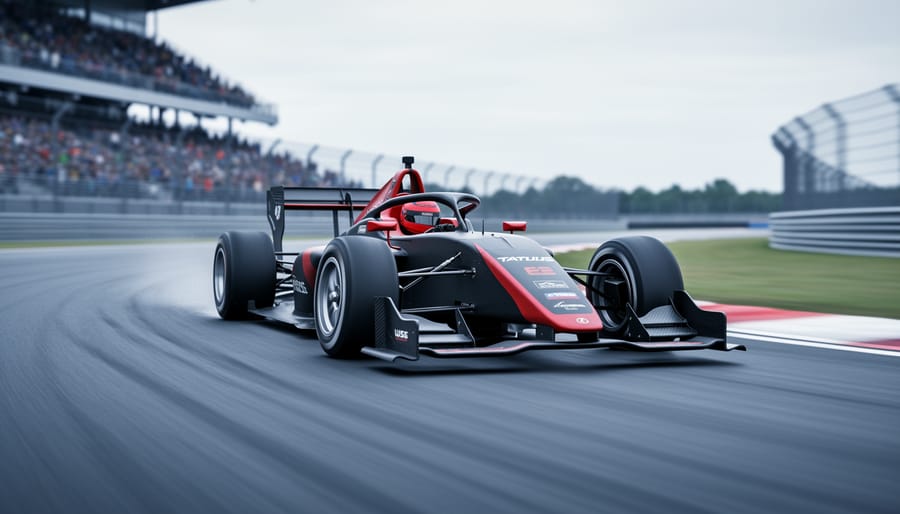
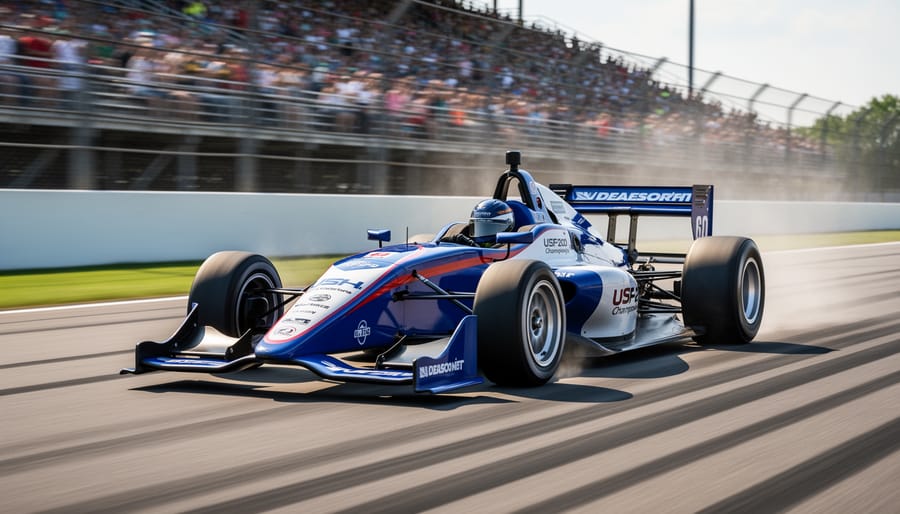
On the technical side, the championship now runs exclusively on Tatuus USF-22 racecars equipped with Elite Mazda engines. These specifications standardize the machinery across all competitors, ensuring driver skill remains the primary differentiator rather than equipment advantages. The USF-22 chassis represents the current generation of entry-level open-wheel racing technology in the Road to Indy ladder system.
The addition of the Streets of Markham to both the USF2000 and USF Pro 2000 calendars introduces a fresh challenge. Street circuits demand different skills than permanent road courses, testing drivers’ adaptability and precision in tight urban confines. For Canadian motorsports enthusiasts, this marks a significant milestone in bringing top-tier development racing north of the border.
Key Developments in the 2026 Season
1. Expanded 18-Race Calendar Across Eight Weekends
The 2026 USF2000 Championship delivered a broader competitive landscape than previous seasons, stretching the action across 18 races across eight weekends from late February through late September. This marks a significant commitment for teams and drivers aiming to climb the Road to Indy ladder.
The season kicked off February 27 on the challenging Streets of St. Petersburg and will conclude September 26 at the iconic Road America facility. That seven-month span gives competitors more opportunities to demonstrate consistency and adaptability across varied circuit types, from tight street courses to flowing road courses.
For teams, the expanded calendar means greater logistical demands, more race weekends require deeper resources, larger spare-parts inventories, and sustained crew performance over a longer haul. The format tests an operation’s ability to maintain peak preparation from winter into fall, which mirrors the endurance required in higher tiers of professional motorsports.
Drivers benefit from increased seat time and more chances to recover from early-season mistakes or mechanical issues. Eighteen races provide a fuller picture of a competitor’s skill progression, racecraft under pressure, and ability to manage championship points across multiple tracks. That broader sample size matters when teams and sponsors evaluate talent for advancement to USF Pro 2000 and beyond, making each weekend a critical audition in a sport where opportunities are scarce and performance windows narrow.
2. Historic Debut on the Streets of Markham
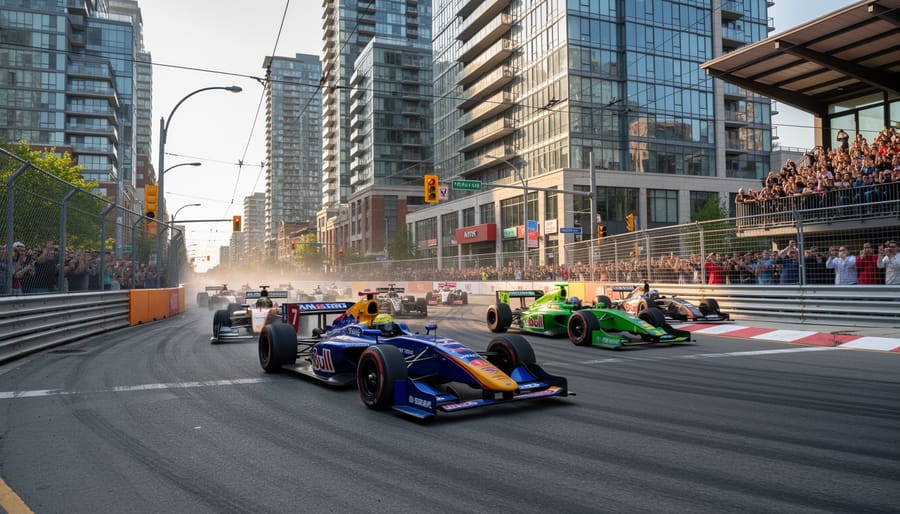
The Streets of Markham debut represents a milestone for Canadian motorsports enthusiasts in 2026. For the first time, both USF2000 and USF Pro 2000 will compete on a temporary street circuit in Markham, Ontario, bringing top-tier open-wheel racing development directly to Canadian soil. This marks one of the few occasions where the Road to Indy ladder system has staged events in Canada, offering local fans a rare opportunity to watch future IndyCar prospects compete without crossing the border.
The Markham venue addition reflects growing recognition of Canada’s role in North American motorsports. Street circuits demand different skills than permanent road courses, drivers must navigate concrete walls, elevation changes, and less forgiving runoff areas. For Canadian drivers climbing the Road to Indy ladder, having a home race provides both competitive advantage through local knowledge and added pressure from supporters in the stands.
Beyond the racing itself, the event strengthens ties between the championship and Canadian automotive culture. It creates a pathway for young Canadian drivers to showcase their talents in front of sponsors, team owners, and fans who might not travel to U.S.-based rounds. The Streets of Markham joins a schedule that traditionally focuses on American venues, making this development particularly significant for expanding the series’ geographic footprint and appeal north of the border.
3. Tatuus USF-22 Racecars with Elite Mazda Engines
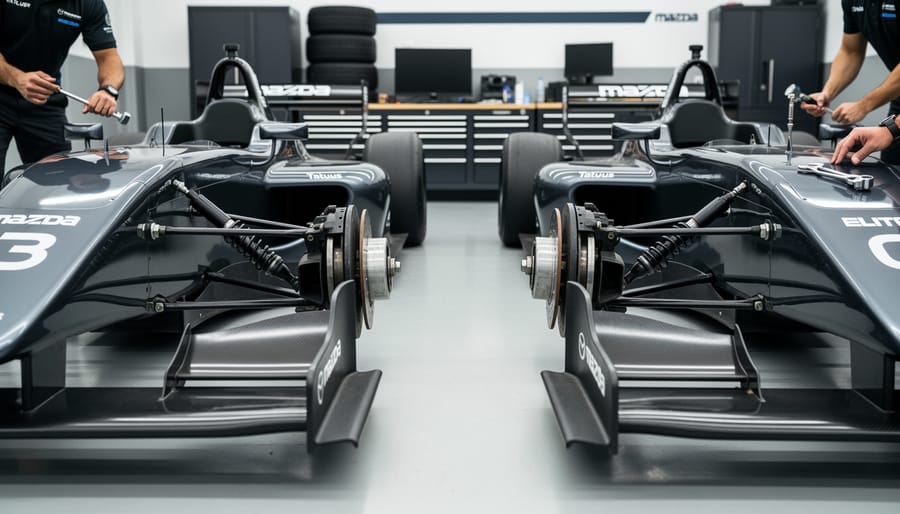
The 2026 USF2000 Championship fields a spec package centered on the Tatuus USF-22 chassis paired with Elite Mazda engines. This combination delivers the performance consistency needed for a development series, ensuring competitors are measured on driving skill rather than equipment advantages. The single-specification formula creates close racing while introducing young drivers to purpose-built open-wheel machinery before they advance to higher rungs on the Road to Indy ladder.
The Tatuus USF-22 represents a modern training platform for North American open-wheel prospects. Its design balances accessibility with genuine performance, giving drivers their first exposure to downforce management, weight transfer dynamics, and the precision required in formula car racing. The Elite Mazda engine specification ensures durability across the 18-race schedule while delivering enough power to challenge drivers without overwhelming them.
This machinery serves a specific developmental purpose within the Road to Indy system. Graduates from USF2000 move to USF Pro 2000 and eventually Indy NXT, with each step adding speed and complexity. The USF-22 chassis teaches fundamental skills that transfer directly to higher categories, from trail braking techniques to managing tire degradation over race distances. Teams use identical equipment, which means engineers can mentor young drivers on telemetry interpretation and setup changes without the variables present in open-formula competition.
4. Continued Partnership with Continental Tire and Andersen Promotions
The organizational backbone of the 2026 USF2000 Championship remains stable, with Continental Tire continuing as the presenting sponsor for the series. This partnership extends across all three levels of the USF Pro Championships, providing consistent branding and support throughout the Road to Indy ladder system.
Andersen Promotions oversees the championship’s operations and confirmed the complete calendar of events for the 2026 season. This Indiana-based organization manages the scheduling, technical regulations, and competitive structure across USF2000, USF Pro 2000, and Indy Pro 2000, ensuring cohesive development pathways for aspiring drivers.
The alignment under one promotional umbrella creates operational efficiency. Teams competing in multiple series levels can coordinate logistics across shared race weekends, while drivers moving up the ladder encounter familiar organizational procedures and support systems. Continental Tire’s involvement supplies the spec racing tire for all competitors, maintaining a level playing field where driver skill and team preparation determine results rather than equipment advantages.
This structure has proven effective since the championship’s 2010 revival, providing the stability needed for long-term team planning and driver development programs.
Why This Season Matters for Canadian Motorsports
The Markham debut stands as the centerpiece of why this season resonates so deeply with Canadian motorsports. For the first time, the USF2000 Championship brings a Road to Indy event to the Greater Toronto Area, putting elite open-wheel racing on hometown asphalt where aspiring drivers and fans can witness it directly. This isn’t just another stop on the calendar, it’s a statement that Canada belongs in the conversation about North American driver development.
The timing matters because Canada has long produced world-class racing talent, yet pathways to professional careers often required leaving home early. Now, with Toronto racing tracks hosting a recognized feeder series, young drivers can see a clear progression: start in Canadian grassroots racing compete at Markham in front of scouts and team managers, then climb toward IndyCar. That visibility changes everything for karting graduates and club racers weighing whether to pursue open-wheel professionally.
Beyond individual careers, the Markham event strengthens Canada’s position in the automotive ecosystem. Road to Indy races generate sponsorship interest, bring technical teams and suppliers into the region, and demonstrate market viability for motorsports investment. When manufacturers and series organizers see strong turnout and engagement in Canada, they allocate more resources, more events, better coverage, deeper talent scouting.
The expanded eighteen-race format also means more opportunities to evaluate drivers over a longer competitive window. Teams managing the Tatuus USF-22 racecars with Elite Mazda engines will gather richer performance data, and drivers get additional weekends to prove consistency. For Canadian entries especially, that extra exposure increases the odds of catching the attention needed to move up the ladder.
What to Watch as the Season Progresses
With the calendar taking the series through September, several compelling storylines will unfold. The debut street race on the Streets of Markham in August stands as the season’s most anticipated event, offering a fresh challenge that will test drivers’ adaptability and precision in urban racing conditions. How teams and drivers handle this new circuit will reveal much about their versatility and race craft.
- Performance dynamics on the debut Streets of Markham circuit compared to established venues
- The September 26 Road America finale as the championship battle reaches its conclusion
- Canadian driver participation and performance throughout the season
- Evolution of championship standings across the 18-race calendar
- Technical performance of the Tatuus USF-22 with Elite Mazda engines across diverse track types
Beyond Markham, traditional venues like Canadian Tire Motorsport Park and the Road America finale will showcase how drivers translate street circuit lessons to road courses. Watch how the championship battle develops across these contrasting environments, as some drivers excel on tight street layouts while others dominate faster, flowing permanent circuits. The official USF Pro Championships website provides real-time results, standings, and race schedules, while social media channels offer behind-the-scenes access and immediate updates from each event weekend.
Frequently Asked Questions
What is the USF2000 Championship?
The USF2000 Championship is the entry level of the Road to Indy driver development ladder, providing a pathway for aspiring open-wheel racers to advance toward the NTT INDYCAR SERIES. The championship is presented by Continental Tire and operates under Andersen Promotions, focusing on developing future stars through professional competition experience.
How many races are in the 2026 USF2000 season?
The 2026 season features 18 races held across eight race weekends. Competition runs from February 27 around the Streets of St. Petersburg through September 26 at Road America.
What cars do USF2000 drivers race?
Competitors drive Tatuus USF-22 racecars powered by Elite Mazda engines. This spec series ensures that driver skill, rather than equipment differences, determines championship results.
Where is the Streets of Markham race located?
The Streets of Markham is a new addition to the 2026 calendar, marking the first Canadian venue for both USF2000 and USF Pro 2000 championships this season. This historic debut brings top-level open-wheel racing development to the Ontario city.
The championship’s structure makes it accessible for drivers transitioning from karting or regional formula car series who want to prove themselves on the national stage. Each race weekend typically includes practice sessions, qualifying, and multiple races, giving competitors ample track time to refine their craft while teams and sponsors evaluate talent for advancement through the Road to Indy system.
The 2026 USF2000 Championship represents more than just another season in North American open-wheel racing, it marks a meaningful evolution for a series now in its seventeenth year since revival. The expanded 18-race calendar demonstrates the championship’s growing stability and appeal, while the debut on the Streets of Markham establishes a crucial foothold in Canadian motorsports territory. For drivers piloting the Tatuus USF-22 racecars with Elite Mazda engines, this season offers a proven pathway toward professional racing careers, with each weekend serving as both competition and classroom.
The Canadian connection matters particularly for the broader Road to Indy ladder system. Markham’s addition gives aspiring drivers and teams north of the border a home event, strengthening the championship’s relevance across North America rather than just within U.S. borders. As the season progresses from St. Petersburg in February through Road America in September, the championship continues fulfilling its core mission: developing the next generation of IndyCar talent through accessible, competitive racing. For Canadian motorsports fans and the automotive community watching this series, 2026 offers fresh reasons to pay attention to where tomorrow’s racing stars are learning their craft today.